
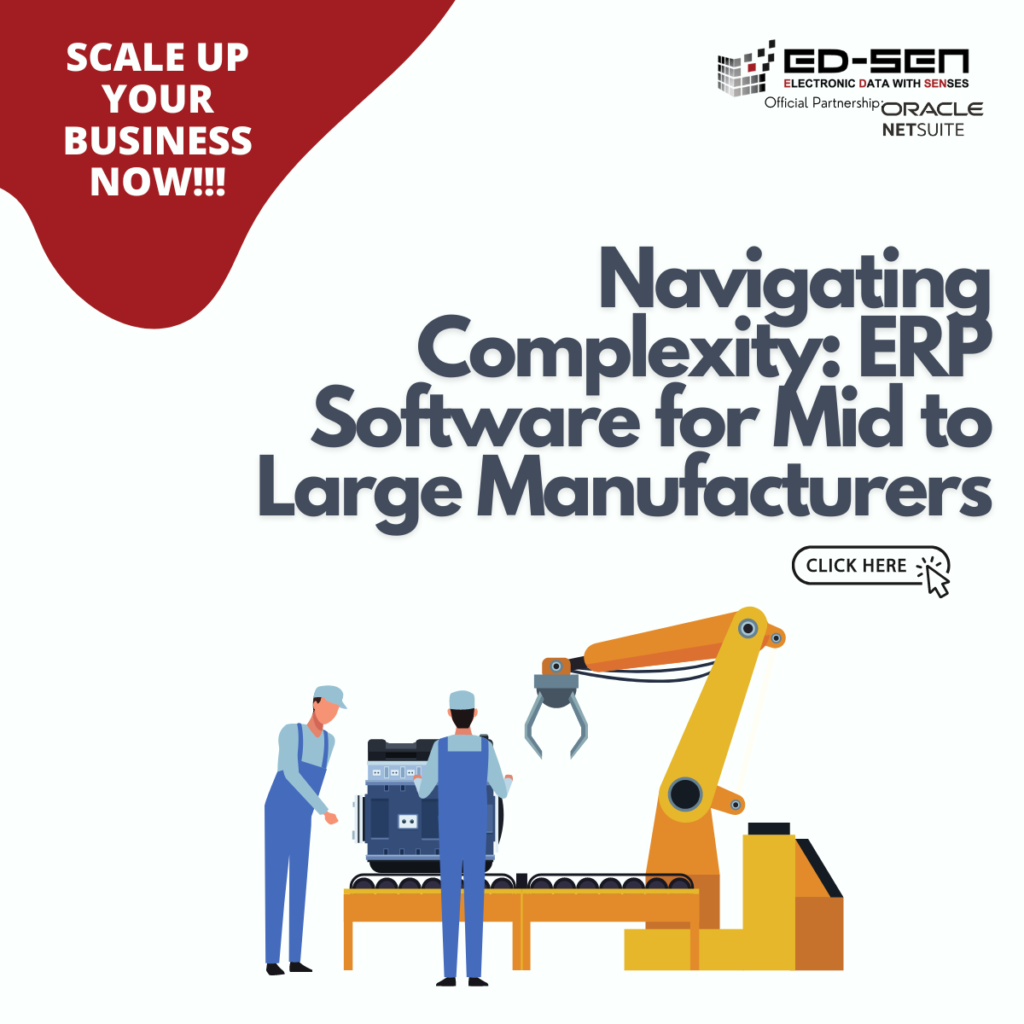
What is software ERP? For any growing business, it is the foundational technology for achieving operational excellence. As a company expands, it quickly outgrows the disconnected spreadsheets and standalone applications used to manage its operations. This leads to data silos, inefficient manual processes, and a lack of real-time visibility, hindering effective decision-making.
Enterprise Resource Planning, or ERP, is the solution to this fragmentation. A modern software ERP is a centralized, integrated system that manages all core business processes from a single, unified database. This guide will explain what an ERP system is, its critical components, and the transformative impact it can have on your business.
Table of Contents
- Defining Software ERP: The Central Nervous System of Your Business
- The Core Modules of a Modern ERP System
- The Strategic Benefits of Implementing an ERP
- Why a Modern ERP is the Key to Scalable Growth
- Unlock Your Potential with Acumatica Cloud ERP
1. Defining Software ERP: The Central Nervous System of Your Business
Think of a software ERP as the central nervous system of your organization. It connects all the different “limbs” of your business—finance, inventory, sales, HR, and manufacturing—allowing them to communicate and work together seamlessly.
Instead of having one system for accounting, another for inventory, and a third for customer management, an ERP provides a single source of truth. When a sales representative enters a new order, the inventory module is instantly updated, the finance module generates an invoice, and the production team gets the signal to start manufacturing. This real-time data flow eliminates redundant data entry, reduces human error, and provides leaders with a complete, up-to-the-minute view of the entire business.
2. The Core Modules of a Modern ERP System
A comprehensive software ERP is composed of several integrated modules, each designed to manage a specific business function. While these can be tailored, most systems include:
- Financial Management: The foundation of the ERP, this module manages the general ledger, accounts payable/receivable, cash flow, fixed assets, and financial reporting.
- Supply Chain Management (SCM): Oversees the entire supply chain, including inventory control, procurement, warehouse management, and order fulfillment.
- Customer Relationship Management (CRM): Manages all interactions with customers, from lead tracking and sales pipeline management to post-sale support.
- Manufacturing/Production: For manufacturers, this module is essential for managing the bill of materials (BOM), production scheduling, shop floor control, and quality assurance.
- Human Resources (HR): Manages employee data, payroll, benefits administration, and time and attendance.
3. The Strategic Benefits of Implementing an ERP
Implementing a software ERP is more than just a technology upgrade; it’s a strategic business initiative that delivers tangible benefits:
- Enhanced Visibility and Decision-Making: With all your data in one place, you can generate comprehensive reports and dashboards, allowing leaders to make faster, more informed decisions based on real-time information.
- Improved Operational Efficiency: By automating repetitive tasks and streamlining workflows, an ERP reduces manual effort, minimizes errors, and frees up your employees to focus on more strategic, value-added activities.
- Better Inventory and Resource Management: An ERP provides the tools to optimize inventory levels, reducing carrying costs and preventing stockouts. It also helps you allocate your resources—from machinery to personnel—more effectively.
- Superior Customer Service: With a unified view of customer history, orders, and support tickets, your team can provide faster, more personalized, and more effective customer service.
4. Why a Modern ERP is the Key to Scalable Growth
For a business to scale successfully, its foundational systems must be able to grow with it. Disconnected, manual systems will inevitably break under the pressure of increased transaction volume and complexity.
A modern cloud-based software ERP provides the scalable and flexible foundation necessary for growth. It allows you to add new users, expand to new locations, and adapt your processes as your business evolves, without the constraints of outdated technology.
5. Unlock Your Potential with Acumatica Cloud ERP
Choosing the right software ERP is a critical step in preparing your business for the future. Acumatica Cloud ERP is a leading, comprehensive solution designed specifically for the needs of growing mid-market companies.
Acumatica delivers a powerful, flexible, and user-friendly platform that will transform your operations:
- True Cloud Platform: Access your business data from anywhere, on any device, with a modern and intuitive interface.
- Comprehensive Functionality: Get a complete suite of integrated applications, from financials and distribution to manufacturing and CRM.
- Growth-Friendly Licensing: Acumatica’s unique unlimited user model allows you to grow your business without the punitive cost of per-user fees, providing a superior return on investment.
Stop letting disconnected systems hold your business back. Contact Ed-Sen Consulting today for a personalized demo and discover how Acumatica Cloud ERP can provide the power and visibility you need to scale with confidence.