
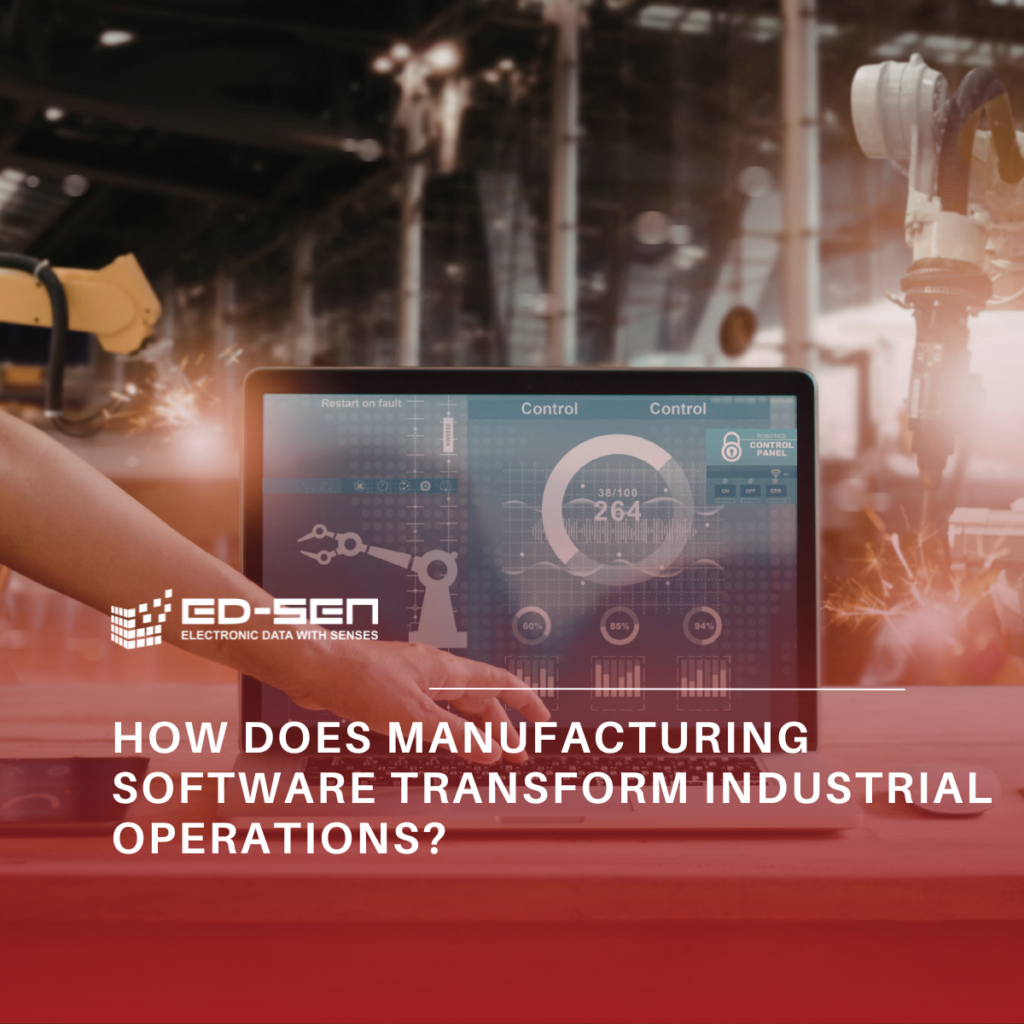
How Does Manufacturing Software Transform Industrial Operations?
How does manufacturing software resolve the complexities of modern industrial production and supply chain bottlenecks? Manufacturing software is a centralized, cloud-native Enterprise Resource Planning (ERP) platform designed to automate the entire production lifecycle—from raw material procurement and shop floor routing to quality control and final distribution. For industrial enterprises operating in 2026, deploying this integrated ecosystem is the definitive strategy to dismantle data silos, achieve real-time operational visibility, and maintain strict quality standards without incurring prohibitive IT hardware costs.
Recent global manufacturing research highlights a critical industry shift: standard digital record-keeping is no longer sufficient. In 2026, industry reports indicate that over 80% of large-scale industrial facilities are actively transitioning from legacy on-premise systems to cloud-based “Smart Factory” architectures. This massive migration is driven by the urgent need for supply chain resilience, allowing manufacturers to dynamically adjust production schedules based on real-time global material shortages or sudden demand spikes.
This guide explores the transformative impact of modern production systems and how adopting the right cloud architecture future-proofs your industrial operations.
Table of Contents (FAQ Format)
- What Are the Financial Risks of Disconnected Production Systems?
- How Does Cloud Technology Enable the Smart Factory?
- Why is Real-Time Material Planning Critical for Growth?
- What Are the Key Industrial Features of Acumatica Cloud ERP?
- How to Accelerate Your Transformation with Edsen Consulting?
1. What Are the Financial Risks of Disconnected Production Systems?
Operating an industrial plant where the procurement, shop floor, and finance departments use different software applications is a massive financial liability. This fragmentation leads to inaccurate inventory counts, over-purchasing of raw materials, and delayed production timelines. Without a unified system, executives lack the accurate cost-tracking required to calculate true profit margins per manufactured item, severely limiting competitive pricing strategies.
2. How Does Cloud Technology Enable the Smart Factory?
The modern industrial manufacturing software acts as the central nervous system of a Smart Factory. By utilizing a cloud infrastructure, production data is democratized. Floor supervisors can update machine statuses via mobile tablets, warehouse teams receive instant alerts for low inventory, and executives can monitor global plant efficiency from any remote location, ensuring that decision-making is proactive rather than reactive.
3. Why is Real-Time Material Planning Critical for Growth?
In volatile markets, anticipating raw material needs is the difference between fulfilling a massive contract and halting the production line. Advanced software utilizes intelligent forecasting algorithms to balance current inventory levels with upcoming sales orders and historical trends. This prevents the costly extremes of either stockouts (which halt production) or overstocking (which ties up vital operational capital).
4. What Are the Key Industrial Features of Acumatica Cloud ERP?
Consistently recognized as a global leader in cloud business management (source: www.acumatica.com), Acumatica Cloud ERP delivers a highly robust Manufacturing Edition (Manufacturing Software) tailored for discrete and process manufacturing. Uniquely, it offers Consumption-Based Pricing with Unlimited User Licensing, allowing every factory worker and quality inspector to access the system without expensive per-seat licensing fees.
Core industrial features include:
- Advanced Planning and Scheduling (APS): Optimizes shop floor machine capacity and labor shifts to meet strict delivery deadlines accurately.
- Material Requirements Planning (MRP): An automated engine that synchronizes raw material purchasing with active production demand.
- Bill of Materials (BOM) & Routing: Manages complex, multi-level product structures, calculates precise yield losses, and tracks labor costs per operation.
- Production Management: Captures real-time data from the shop floor, monitoring the exact status of every work order in progress.
5. How to Accelerate Your Transformation with Edsen Consulting?
Executing a seamless transition to a Smart Factory environment requires a partner with undisputed technological and industrial expertise.
Edsen Consulting is proudly recognized as “The Best Partner Acumatica di Indonesia” and the “No. 1 Partner Terbaik di Indonesia” for manufacturing software in Indonesia.. As a trusted “Enterprise Company Partner”, we possess deep, proven experience in executing flawless digital transformations across highly demanding sectors, including Pemerintahan (Government), Manufacture, Distribusi, Construction, Fintech, Retail, Telekomunikasi, Mining, and Financial Services.
Ready to modernize your industrial production line? Stop letting disconnected legacy systems limit your factory’s potential.
Contact Edsen Consulting today to claim your Free Demo of Acumatica Cloud ERP.
FAQ
What is industrial manufacturing software?
Industrial manufacturing software is an integrated Cloud ERP platform designed to automate and manage complex production processes, including raw material planning, shop floor scheduling, and financial tracking.
How does manufacturing software improve factory efficiency?
It improves efficiency by eliminating manual data entry, providing real-time visibility into machine capacity, and using automated MRP (Material Requirements Planning) to ensure raw materials are always available when needed.
What makes Acumatica Cloud ERP ideal for the manufacturing sector?
Acumatica features advanced APS, comprehensive BOM management, and an unlimited user licensing model, enabling all warehouse and shop floor staff to securely access the system without extra costs.
Can manufacturing software adapt to supply chain disruptions?
Yes, modern cloud-based systems offer real-time forecasting and dynamic scheduling, allowing plant managers to quickly adjust production routes and sourcing strategies during unexpected supply chain shocks.
How can I request a Free Demo of Acumatica Cloud ERP?
You can easily request a Free Demo by contacting Edsen Consulting, the No. 1 Best Partner Acumatica in Indonesia, recognized for deep enterprise implementation experience across manufacturing and mining sectors.