
In recent years, the term supply chain management disruptions has moved from industry jargon to a mainstream headline. From global pandemics and geopolitical conflicts to natural disasters and sudden spikes in demand, the fragility of our global supply chains has been laid bare. For businesses, these disruptions are not abstract concepts; they are tangible threats that can lead to production halts, lost sales, damaged customer relationships, and significant financial losses.
Building a resilient supply chain is no longer a strategic option—it is a fundamental requirement for survival and growth. This guide explores the nature of modern disruptions and outlines the key strategies and technologies necessary to navigate them effectively.
Table of Contents
- Understanding the Modern Landscape of Supply Chain Disruptions
- 4 Key Strategies to Build a Resilient Supply Chain
- The Critical Role of Technology in Mitigating Disruptions
- Build Your Resilient Supply Chain with Acumatica Cloud ERP
1. Understanding the Modern Landscape of Supply Chain Disruptions
Today’s supply chain management are longer and more complex than ever, making them vulnerable to a wide range of shocks. Common supply chain management disruptions include:
- Geopolitical and Trade Instability: Tariffs, trade wars, and regional conflicts can instantly alter shipping routes, increase costs, and restrict access to key suppliers or markets.
- Natural Disasters and Climate Events: Hurricanes, floods, and wildfires can shut down ports, destroy infrastructure, and halt the production of raw materials.
- Supplier Issues: The unexpected bankruptcy of a key supplier, a quality control failure, or a labor strike can create immediate and significant downstream impacts.
- Sudden Demand Volatility: Unexpected viral trends or global events can cause demand for certain products to skyrocket or plummet, making forecasting with traditional methods nearly impossible.
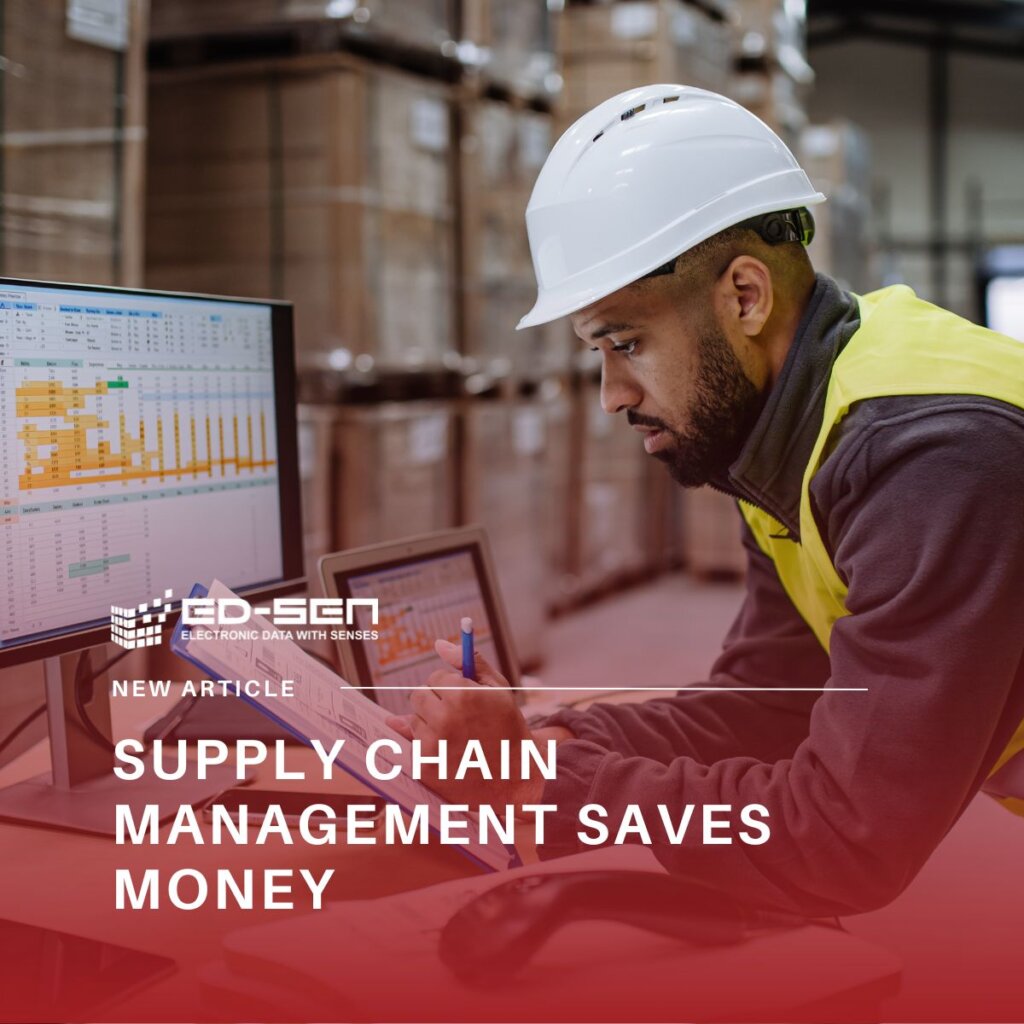
Mitigating Supply Chain Management Disruptions: A Strategic Guide
2. 4 Key Strategies to Build a Resilient Supply Chain
Mitigating supply chain management disruptions requires a proactive, multi-faceted approach focused on building resilience.
I. Enhance End-to-End Visibility
You cannot manage what you cannot see. The foundational step is to achieve real-time visibility across your entire supply chain. This means having a single source of truth to track inventory levels, production status, and shipment locations from your tier-2 suppliers all the way to your final customer.
II. Diversify Your Supplier Base
Sole-sourcing from a single supplier or a single geographic region is a major vulnerability. Spreading your procurement across multiple suppliers and locations mitigates the risk that a problem in one area will shut down your entire operation.
III. Embrace Agile and Data-Driven Planning
Relying on static, annual forecasts is no longer viable. Businesses must adopt agile planning processes that use real-time data to continuously update demand forecasts and production schedules. This allows for quicker pivots in response to changing market conditions.
IV. Strengthen Collaboration with Partners
Build stronger, more transparent relationships with your key suppliers, carriers, and logistics partners. Sharing data and collaborating on forecasts and planning can help both sides anticipate challenges and respond to disruptions more effectively as a cohesive unit.
3. The Critical Role of Technology in Mitigating Disruptions
Executing these strategies is impossible with disconnected spreadsheets and manual processes. The only way to achieve the visibility, agility, and collaboration needed to overcome modern supply chain management disruptions is through a powerful, centralized technology platform.
A modern, cloud-based ERP (Enterprise Resource Planning) system serves as the command center for your entire supply chain. It integrates data from procurement, inventory, manufacturing, logistics, and sales into a single, real-time view, providing the intelligence you need to make faster, smarter decisions when faced with uncertainty.
4. Build Your Resilient Supply Chain with Acumatica Cloud ERP
Acumatica Cloud ERP provides the comprehensive, integrated tools you need to build a resilient and agile supply chain capable of withstanding today’s challenges.
With Acumatica’s powerful Supply Chain Management suite, you can:
- Gain Real-Time, End-to-End Visibility: Track your inventory, orders, and shipments across your entire network from a single, intuitive dashboard.
- Improve Demand Forecasting and Planning: Leverage powerful analytics and real-time sales data to create more accurate and agile demand forecasts.
- Streamline Supplier Management: Manage your entire supplier base from one location, track performance, and diversify your sourcing with ease.
- Unify Your Operations: Connect your supply chain data directly with your financials, manufacturing, and CRM for a complete, 360-degree view of your business, enabling faster and more informed decision-making during a crisis.
Don’t let the next disruption dictate your future. Take control of your operations. Contact Ed-Sen Consulting today for a personalized demo and discover how Acumatica Cloud ERP can help you build the resilient supply chain your business needs to thrive.