
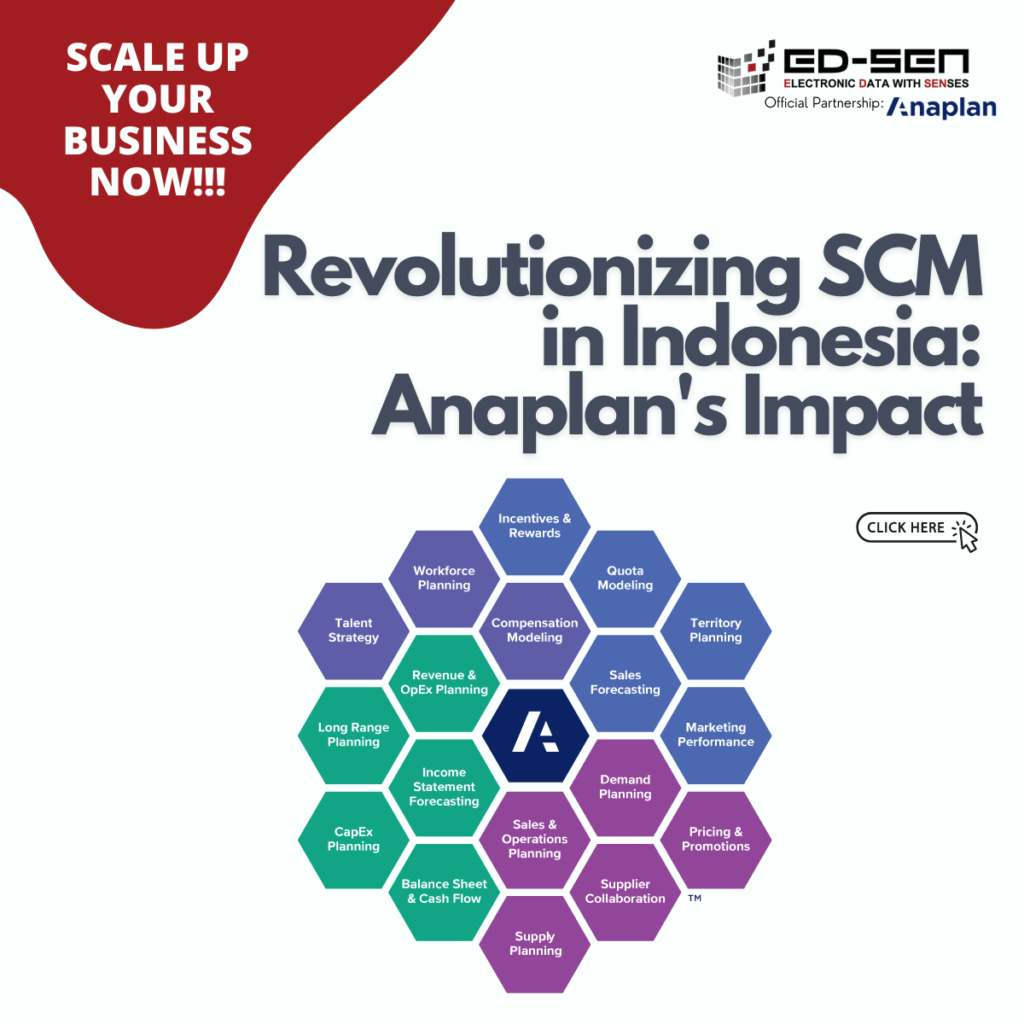
What is supply chain management? In today’s interconnected global economy, it is the single most critical operational function of any business that produces, moves, or sells physical goods. Far more than just logistics, strategic supply chain management (SCM) is the active, end-to-end management of the entire flow of goods, data, and finances required to get a product from its source materials to the final customer.
A resilient and efficient supply chain is no longer a competitive advantage—it is a fundamental requirement for survival. This guide will break down the core components of SCM, its strategic benefits, and the technology required to master it.
Table of Contents
- The 5 Core Components of Supply Chain Management
- The Strategic Benefits of Effective SCM
- The Technology Foundation for Modern SCM
- Optimize Your Operations with Acumatica Cloud ERP
1. The 5 Core Components of Supply Chain Management
Effective SCM involves the orchestration of five key stages:
I. Plan
This is the strategic foundation. The planning stage involves forecasting customer demand, managing inventory levels, and developing a strategy to align supply with that demand. It’s about answering the critical questions: what products do we need, how much do we need, and when do we need them?
II. Source
Sourcing involves identifying, vetting, and building relationships with the suppliers who will provide the raw materials or goods needed for production. This stage includes negotiating contracts, managing supplier performance, and scheduling deliveries to ensure a reliable flow of inputs.
III. Make
This is the production or manufacturing stage, where raw materials are transformed into finished goods. Effective SCM in this phase focuses on optimizing production schedules, managing shop floor activities, ensuring quality control, and maximizing efficiency to reduce costs and lead times.
IV. Deliver (Logistics)
The delivery stage encompasses all the logistics required to get the finished product to the customer. This includes order management, warehousing, coordinating shipments with carriers, and managing the delivery fleet to ensure on-time, accurate fulfillment.
V. Return (Reverse Logistics)
An often-overlooked component, this involves managing the return of defective, excess, or unwanted products from the customer back to the business. A smooth reverse logistics process is crucial for customer satisfaction and managing asset recovery.
2. The Strategic Benefits of Effective SCM
Organizations that excel at supply chain management realize significant and sustainable competitive advantages.
- Reduced Operational Costs: By optimizing inventory, streamlining production, and improving logistics, companies can drastically reduce waste, carrying costs, and transportation expenses.
- Enhanced Customer Satisfaction: Reliable, on-time delivery and consistent product availability are key drivers of customer loyalty and retention.
- Improved Business Agility and Resilience: A visible and well-managed supply chain allows a business to react more quickly to disruptions (e.g., supplier shortages, shipping delays) and adapt to changes in market demand.
- Greater Profitability: The combination of lower costs, higher sales from satisfied customers, and more efficient use of assets directly contributes to a healthier bottom line.
3. The Technology Foundation for Modern SCM
In today’s complex environment, effective supply chain management is impossible to achieve with manual processes and disconnected spreadsheets. The sheer volume of data and the need for real-time visibility demand a powerful, centralized technology platform.
A modern, cloud-based ERP (Enterprise Resource Planning) system is the essential foundation. An ERP integrates data from every stage of the supply chain—from procurement and inventory to production and sales—into a single source of truth. This provides the end-to-end visibility and control necessary to manage the entire process effectively.
4. Optimize Your Operations with Acumatica Cloud ERP
Acumatica Cloud ERP provides a comprehensive suite of integrated tools designed to help you master every component of your supply chain. It delivers the visibility, control, and intelligence you need to transform your operations.
With Acumatica’s Supply Chain Management solution, you can:
- Unify Inventory and Warehouse Management: Gain real-time visibility into your stock levels across all locations and streamline warehouse operations from receiving to shipping.
- Streamline Procurement: Automate your entire procure-to-pay process, manage supplier relationships, and ensure you have the right materials when you need them.
- Optimize Order Management: Efficiently manage sales orders from quote to fulfillment, ensuring accuracy and improving customer satisfaction.
- Integrate with Manufacturing and Financials: Connect your supply chain data directly to your production floor and general ledger for a complete, 360-degree view of your business.
Stop letting supply chain complexity dictate your success. Contact Ed-Sen Consulting today for a personalized demo and discover how Acumatica Cloud ERP can help you build a more resilient, efficient, and profitable supply chain.