
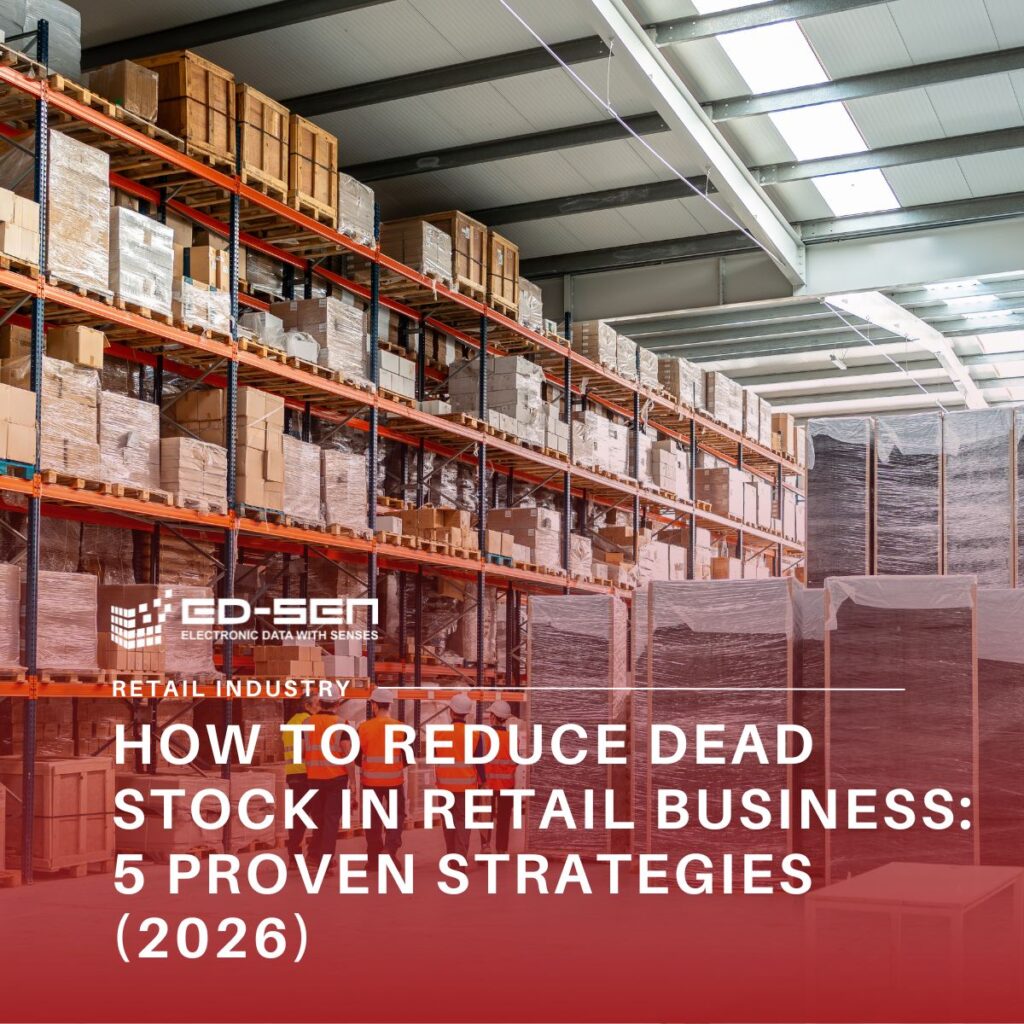
In the retail industry, cash is king. But for many businesses, a significant portion of that cash is trapping dust on warehouse shelves in the form of “dead stock.”
Learning how to reduce dead stock in retail business is not just about cleaning up your storage room; it is about unlocking capital that can be reinvested into profitable products. Dead stock—inventory that has not sold for a specific period and is unlikely to sell in the future—is a silent profit killer. It incurs storage costs, ties up budget, and eventually leads to total write-offs.
This guide provides actionable strategies to clear out your current obsolete inventory and, more importantly, how to stop it from accumulating in the first place.
Table of Contents
- What Causes Dead Stock in Retail?
- 5 Strategies on How to Reduce Dead Stock in Retail Business
- The Difference Between Reducing and Preventing Dead Stock
- Why Spreadsheets Cause Inventory Paralysis
- Prevent Dead Stock Forever with Acumatica & Ed-Sen Consulting
1. What Causes Dead Stock in Retail?
Before you can fix the problem, you must identify the root cause. Why do products die on the shelf?
- Poor Forecasting: Ordering based on gut feeling rather than historical data.
- Seasonality Misses: Ordering winter jackets that arrive two weeks too late.
- Lack of Visibility: Having stock in the warehouse that you forgot to list on your e-commerce site.
- Over-Ordering: Buying in bulk to get a supplier discount, only to find the demand isn’t there.
2. 5 Strategies on How to Reduce Dead Stock in Retail Business
If you are currently sitting on a pile of unsold goods, here are five immediate actions to liquidate them and recover some value:
I. Implement Strategic Bundling
Pair your dead stock with a high-velocity bestseller. For example, if you have unsold socks (dead stock) and popular shoes (bestsellers), create a “Buy Shoes, Get Socks for 50% Off” bundle. This moves the slow item by piggybacking on the fast one.
II. Run Flash Clearance Sales
Psychology drives retail. Create a “Last Chance” section or run a 24-hour flash sale. The goal here is liquidity, not profit. Getting 50% of the cost back is better than 0% later.
III. Negotiate Return to Vendor (RTV)
Check your supplier agreements. Some vendors allow you to return unsold goods for credit, especially if the packaging is unopened. This is often the most profitable way to solve the problem.
IV. Refresh the Merchandising
Sometimes, an item is “dead” simply because customers can’t see it. Move the product to a high-traffic zone near the checkout counter or update the product photos on your website.
V. Donate for Tax Benefits
If the product simply won’t sell, donate it to charity. While you lose the revenue, you gain a tax deduction and positive brand reputation (CSR), which is better than paying for continued storage.
3. The Difference Between Reducing and Preventing Dead Stock
Clearing old stock is a short-term fix. To master how to reduce dead stock in retail business permanently, you must focus on prevention.
This requires shifting from a “Push” strategy (buying what you think will sell) to a “Pull” strategy (buying based on data-driven demand). You need tools that can analyze Inventory Aging Reports and alert you before an item becomes obsolete.
4. Why Spreadsheets Cause Inventory Paralysis
Many retailers struggle with dead stock because they rely on Excel.
- No Alerts: Spreadsheets don’t ping you when an item hasn’t sold in 90 days.
- Delayed Data: By the time you manually update the sheet, the season is over.
- Human Error: A typo in the reorder formula can lead to accidental overstocking.
To truly solve this, you need automation.
5. Prevent Dead Stock Forever with Acumatica & Ed-Sen Consulting
The ultimate answer to how to reduce dead stock in retail business is implementing a system that predicts demand accurately. Acumatica Cloud ERP is designed to do exactly that.
How Acumatica Helps:
- Automated Replenishment: Calculates reorder points based on historical sales velocity and lead times, ensuring you never over-order.
- Real-Time Aging Reports: Instantly see which items are approaching their “dead” date so you can discount them early.
- Unified Commerce: Connects your online and offline sales data, ensuring you have total visibility over every SKU.
Partner with the Experts: Ed-Sen Consulting
Technology needs a pilot. Ed-Sen Consulting is a trusted Acumatica Gold Certified Partner in Indonesia.
- Strategic Implementation: We don’t just install software; we configure Acumatica’s forecasting tools to match your specific retail patterns.
- Local Expertise: We help you navigate local market trends and regulations to optimize your supply chain.
Ready to turn your dead stock into cash?
Stop letting obsolete inventory eat your profits. Upgrade to a smarter system today.
Contact Ed-Sen Consulting today for a free consultation and see how Acumatica can optimize your inventory health.