
Archives
Result
Blog • 10 September 2025
How Supply Chain Management Saves Money
When you think about cutting costs, the first thing that comes to mind is usually budget cuts or trimming staff. But in reality, one of the smartest ways to save money is through better Supply Chain Management. It might sound technical, but trust me, once you see how it works, you’ll realize it’s like giving your business a money-saving superpower.
In this post, we’ll explore why Supply Chain Management Saves Money, how you can benefit from it, and why companies that take it seriously often find themselves way ahead of the competition.
Better Planning Means Less Waste
One of the biggest ways Supply Chain Management saves money is by helping businesses plan better. Imagine you are running a store, and you constantly run out of popular products. Customers get frustrated, and you lose sales. On the flip side, if you stock too much, you waste money on storage and products that might not sell.
By using modern Supply Chain Management, you get a clearer picture of what you need and when you need it. This means fewer storage costs, fewer wasted products, and fewer angry customers walking away. It’s basically the difference between flying blind and flying with a GPS. And in business, that GPS helps you save a lot of money.
Faster Deliveries Reduce Extra Costs
Another reason Supply Chain Management saves money is the way it makes deliveries faster and smoother. Think about it. When your suppliers deliver late, your production slows down, your employees sit idle, and your customers wait longer. All of this adds extra costs you could avoid.
Good Supply Chain Management streamlines deliveries so that materials and products arrive exactly when you need them. Faster deliveries mean less downtime, fewer delays, and fewer complaints. Plus, when customers are happy with fast service, they come back for more. That’s not just saving money—it’s also making more money in the long run.
Technology Cuts Down Hidden Expenses
Let’s face it. Running a business today without technology is like trying to text without a smartphone. It’s slow, frustrating, and costly. Modern Supply Chain Management systems use technology like ERP software to track shipments, predict demand, and manage suppliers.
This technology helps cut down hidden expenses like late fees, emergency shipping costs, or miscommunication with suppliers. You also save money because you avoid buying unnecessary materials or paying for overtime due to poor planning. Basically, technology makes sure you see problems before they become expensive disasters.
Collaboration Creates Cost-Friendly Partnerships
Another overlooked reason why Supply Chain Management saves money is collaboration. When businesses build stronger relationships with their suppliers and partners, they often negotiate better prices and enjoy more reliable service.
Instead of treating suppliers as just vendors, smart businesses treat them as partners. And partners want each other to succeed. That often means lower costs, better payment terms, or even priority service. Think of it as teamwork—when everyone works together, everyone saves money.
Why This Matters to You
If you’ve ever worried about expenses eating into your profits, then focusing on Supply Chain Management should be at the top of your list. It doesn’t just save money—it makes your business more resilient, more competitive, and more profitable in the long run.
When you improve planning, speed up deliveries, use technology wisely, and build stronger partnerships, you cut costs in ways you might never have thought about before.
So, the next time someone asks you how to save money in business, you can confidently say: “Supply Chain Management saves money better than anything else.”
Read also how Acumatica ERP could optimize your Supply Chain Management to aim saving cost
Blog • 9 September 2025
Supply Chain Management Trends to Watch
The business world never stands still, and neither does your supply chain. Every year, new tools and strategies pop up, making things faster, smarter, and greener. Keeping up with every Supply Chain Management Trend can feel overwhelming, but the good news is you do not need to catch them all. You just need to understand which ones will make your business run better, save money, and keep customers happy. Let’s look at some of the trends worth watching right now.
Going Green: Sustainability Becomes the New Normal
One major Supply Chain Management Trend is sustainability. You probably already notice how customers prefer eco-friendly packaging and responsible sourcing. Companies can no longer ignore environmental impact. If you want to grow, you must think about greener solutions.
This doesn’t mean you need to plant a forest tomorrow. Small changes like switching to recyclable packaging or optimizing delivery routes make a big difference. Customers today are smarter and want to support businesses that care about the planet.
ERP systems like Acumatica help by tracking carbon footprints, monitoring supplier practices, and ensuring compliance with environmental standards. With these tools, you make eco-friendly choices while still running efficient operations. Sustainability is not just good for the planet—it is good for your bottom line too.
Smart Forecasting: AI and Data Lead the Way
Another Supply Chain Management Trend you cannot ignore is smarter forecasting. Remember the chaos of guessing demand with outdated spreadsheets? Thankfully, those days are fading fast.
AI and machine learning now help companies predict demand more accurately than ever. They analyze past sales, seasonal changes, and even social media chatter. That means fewer stockouts, less wasted inventory, and more happy customers.
When combined with ERP systems, forecasting becomes even more powerful. You get real-time updates and clear insights, so you can plan months ahead with confidence. Imagine knowing exactly when to stock up for holiday shopping season without stressing over too much or too little. Smarter forecasting is not just trendy—it is essential.
Building Resilient Supply Chains
If the past few years taught us anything, it is this: disruptions happen, often when you least expect them. A global pandemic, sudden factory shutdowns, or shipping delays can throw everything off balance. That is why resilience is now a major Supply Chain Management Trend.
Resilience means designing your supply chain to adapt quickly. Instead of relying on one supplier, you diversify. Instead of waiting weeks for updates, you rely on real-time visibility from ERP tools. These changes allow you to respond faster when problems arise.
The real benefit is peace of mind. You know your business can handle surprises without collapsing. Customers notice reliability, and they reward it with loyalty. Resilient supply chains are not just safe—they are profitable.
Technology Integration: ERP at the Center
Technology is no longer optional—it is the backbone of every Supply Chain Management Trend. From AI to blockchain, the tools keep evolving, and businesses that keep up get ahead.
ERP systems like Acumatica act as your central hub. Instead of juggling spreadsheets, email updates, and separate tools, everything connects in one place. You gain visibility into inventory, suppliers, and forecasts at the same time.
The best part is scalability. As your business grows, the system grows with you. Whether you add new suppliers, new warehouses, or new markets, ERP supports expansion without chaos. Technology is not just about efficiency—it is about building a system strong enough to carry your growth.
Wrapping It Up
Keeping track of every Supply Chain Management Trend might feel like chasing the latest social media craze. But trends like sustainability, smarter forecasting, resilience, and technology integration are here to stay. These are not just fads—they are game changers shaping the future of business.
You do not need to adopt everything at once. Start with one improvement, like smarter demand forecasting or a sustainability initiative. Each small step makes your supply chain stronger and more competitive.
The exciting part? With the right mindset and tools, you can ride these trends instead of chasing them. When you focus on building supply chains that are smart, sustainable, and resilient, growth comes naturally.
Read also how Acumatica with Edsen Consulting bring the trend of SCM in Indonesia
Blog • 8 September 2025
Why Supply Chain Management Drives Growth
Growth in business is not just about selling more products. It also depends on how well you manage everything behind the scenes. That is where Supply Chain Management becomes a game-changer. When you plan smarter, deliver faster, and use the right tools, your company grows stronger.
Customer Impact: Supply Chain Management Builds Loyalty
Think about your last online order. If it arrived on time, you probably felt good about that brand. This is the power of Supply Chain Management.
When products are always available and deliveries are reliable, customers feel valued. However, when delays happen, trust fades quickly. Accurate forecasting and better inventory planning ensure shelves stay full and buyers stay happy.
ERP tools like Acumatica give you real-time visibility into your supply chain. That visibility helps you meet demand without guesswork. Happy customers return, share positive reviews, and keep your business moving forward.
Speed Wins: Growth Through Faster Delivery
In today’s market, speed is everything. Customers expect products quickly, sometimes the next day. Strong Supply Chain Management ensures you deliver faster than competitors.
Automation and real-time data remove delays caused by outdated processes. Instead of waiting on spreadsheets, you make quick, informed decisions. That agility reduces waste, keeps warehouses lean, and cuts unnecessary costs.
The faster your company delivers, the more customers trust you. Fast, reliable service becomes a growth engine that powers both revenue and reputation.
Smarter Planning: Data-Driven Supply Chain Management
Guesswork leads to stockouts, overstock, and lost money. Smart Supply Chain Management helps you rely on data, not chance.
Modern ERP systems like Acumatica forecast demand using past sales, market trends, and seasonal data. For example, you can prepare for peak holiday sales with accurate stocking. This reduces stress and increases revenue opportunities.
Data also highlights weak points. You can spot costly suppliers or identify delays before they become big problems. With this knowledge, you build efficient processes that support growth.
Scaling becomes easier when every decision is backed by data, not guesswork.
ERP as a Growth Hub for Supply Chain Management
Growth requires flexible tools that scale with you. That is why ERP systems such as Acumatica support SCM success.22
One platform connects inventory, forecasting, and supplier management. Instead of juggling multiple apps, you control everything in one place. That makes processes smoother and easier to manage as you grow.
ERP also prepares you for unexpected changes. With real-time updates, you adapt quickly to new challenges like sudden demand spikes or supplier issues. Flexibility is what keeps your business competitive in changing markets.
Conclusion: Supply Chain Management Powers Growth
Growth is not just about marketing or sales. It is about building reliable systems that keep customers happy and operations efficient. SCM helps you cut waste, speed up delivery, and make smarter decisions.
When supported by ERP tools like Acumatica, your supply chain becomes a growth engine. By investing in SCM today, you prepare your business for tomorrow’s success.
Blog • 20 August 2025
The 5 Core Features of Modern Supply Chain Software for 2026
Effective supply chain management is no longer just about moving goods from point A to point B; it's the strategic core of modern business. In an era of unprecedented volatility and customer demand, the right supply chain software is not an advantage—it's a necessity. Companies relying on manual processes and disconnected systems are being outpaced by competitors who leverage technology to build more resilient, agile, and efficient operations.
This guide explores the essential, forward-looking features that define a top-tier SCM platform and how they empower businesses to thrive in a complex global market.
The 5 Core Features of Modern Supply Chain Software for 2026
1. AI and Machine Learning for Predictive Demand Forecasting
Traditional forecasting, which relies solely on historical sales data, is no longer sufficient. Modern supply chain software leverages Artificial Intelligence (AI) and Machine Learning (ML) to deliver predictive analytics with remarkable accuracy.
These advanced algorithms analyze vast datasets—including past sales, market trends, weather patterns, competitor pricing, and even social media sentiment—to identify patterns invisible to the human eye. The result is a highly accurate demand forecast that allows you to:
- Optimize Inventory Levels: Drastically reduce the costs of overstocking while preventing lost sales from stockouts.
- Improve Production Planning: Align manufacturing schedules with anticipated demand to ensure resource availability.
- Enhance Agility: Respond swiftly to emerging market shifts and potential disruptions before they impact your bottom line.
2. The Connected Warehouse: Powered by the Internet of Things (IoT)
The warehouse is evolving from a simple storage space into a smart, connected hub. This transformation is driven by the Internet of Things (IoT), where sensors and smart devices embedded in equipment and on shelves feed real-time data directly into your supply chain software.
This constant stream of information provides an unparalleled level of visibility and control. Key applications include:
- Real-Time Asset Tracking: Know the exact location of every pallet, forklift, and high-value item within your facility, minimizing loss and search times.
- Condition Monitoring: Track environmental conditions like temperature and humidity for sensitive goods, ensuring quality and compliance.
- Predictive Maintenance: IoT sensors on machinery can predict equipment failures before they happen, allowing you to schedule maintenance proactively and avoid costly unplanned downtime.
3. Blockchain for Unprecedented Transparency and Trust
In an age of conscious consumerism, customers demand to know the origin and journey of their products. Blockchain technology, when integrated with SCM software, provides an immutable and transparent digital ledger for the entire supply chain.
Each transaction—from the sourcing of raw materials to final delivery—is recorded as a secure "block" of data. This creates a tamper-proof audit trail that offers powerful benefits:
- Enhanced Traceability: Instantly trace a product back to its source to manage recalls or verify authenticity.
- Increased Consumer Trust: Allow customers to scan a QR code to see a product's full lifecycle, verifying claims of ethical sourcing or organic certification.
- Reduced Fraud and Counterfeiting: Securely track high-value goods to prevent counterfeits from entering the supply chain.
4. Hyper-Automation to Maximize Operational Efficiency
Hyper-automation takes efficiency to the next level by using a combination of AI, Robotic Process Automation (RPA), and other advanced technologies to automate complex, end-to-end business processes. Within supply chain software, this means moving beyond simple task automation to intelligent workflow orchestration.
Imagine systems that can automatically process purchase orders, intelligently route shipments based on real-time traffic and costs, and use AI-powered chatbots to provide customers with instant, 24/7 updates on their order status. Hyper-automation frees up your team from repetitive, manual work, allowing them to focus on strategic, high-value initiatives that drive the business forward.
5. The Power of a Unified, Cloud-Based Platform
These advanced technologies deliver maximum value only when they are part of a single, integrated system. A modern supply chain software solution is not a standalone tool but a core component of a unified cloud ERP platform. This ensures that data from your supply chain is seamlessly connected to your financials, sales, and customer service departments, providing a single source of truth for the entire organization.
Build Your Future-Proof Supply Chain with Acumatica Cloud ERP
The future of supply chain management is intelligent, connected, and automated. To stay competitive, you need a platform that not only meets your needs today but is also built to embrace the innovations of tomorrow.
Acumatica Cloud ERP provides a comprehensive and flexible suite of supply chain management solutions designed for growth. With advanced inventory management, robust warehouse automation, and an open architecture built for integrating cutting-edge technologies like AI and IoT, Acumatica provides the foundation you need to build a more resilient and profitable supply chain.
Ready to see how Acumatica can transform your operations? Contact Ed-Sen Consulting today for a personalized demo and discover how you can stay ahead of the curve.
Blog • 19 August 2025
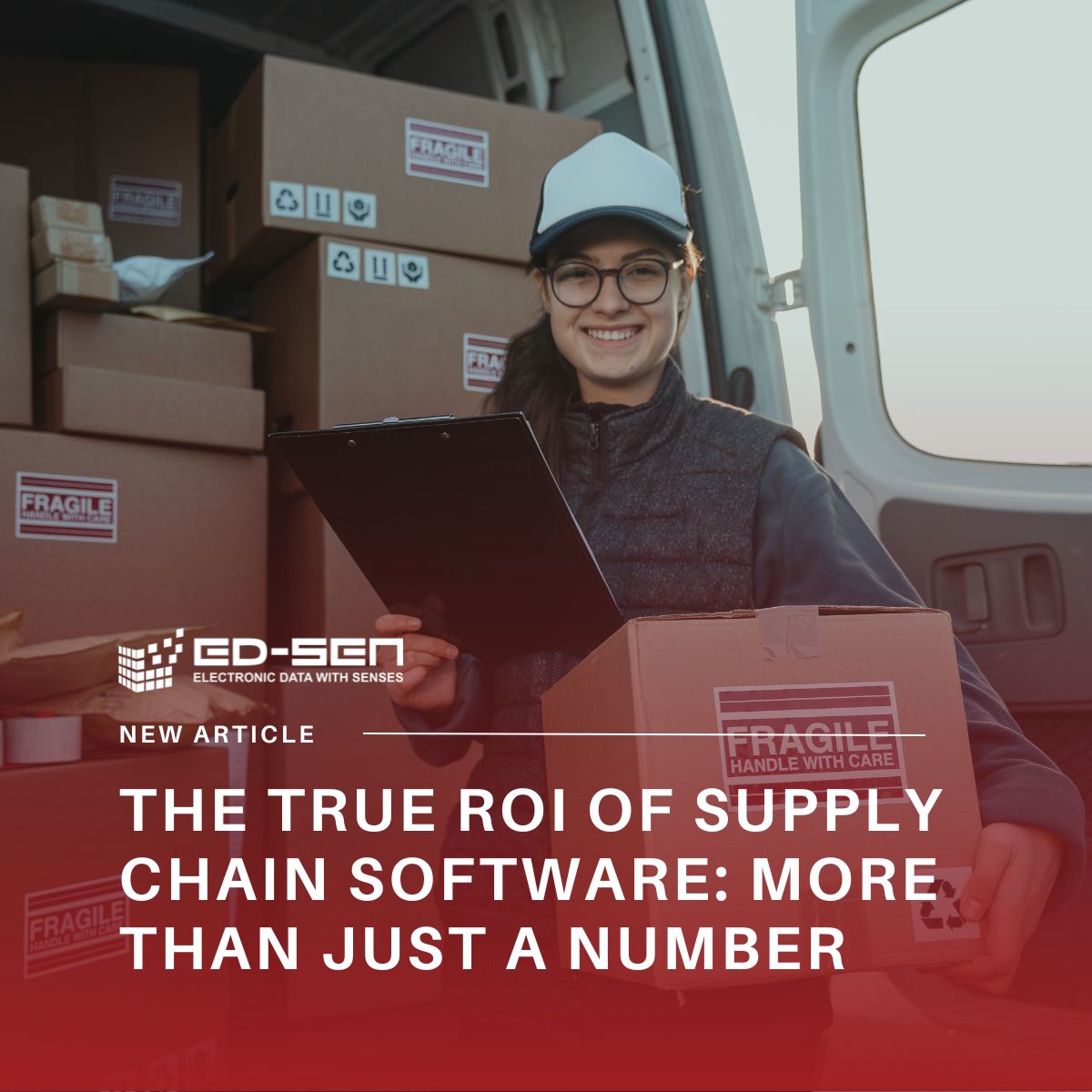
The True ROI of Supply Chain Software: More Than Just a Number
The true ROI of supply chain software is a topic you've likely discussed. You know you need to solve operational problems. However, when you look at new technology, one question always comes up. "Can we really afford this?" Although it’s a smart question, a better one might be, "Can we afford to continue without it?"
The return on your investment, in fact, goes far beyond saving a few dollars. It is about fundamentally transforming your operations. Moreover, it’s about unlocking your team's potential. Let's explore the real value you get from a modern system. You will quickly see it’s not just an expense. Instead, it is a powerful investment in your company's growth and future.
Escaping the Daily Spreadsheet Maze
Does your day feel like a battle with spreadsheets? For instance, many businesses have one for inventory. They then use another for new orders. A third, meanwhile, tracks all the shipping statuses. These files are like separate islands of information. Crucially, they do not talk to each other. As a result, your team spends countless hours just keeping them updated. They copy and paste data from one sheet to another, all day long. This manual work is not only slow; it is a recipe for costly human errors. Do you realize that supply chain software exists? or your company actually did not have supply chain software?
Think about the impact of a single typo. One wrong number could consequently cause a big problem. For example, you might order far too much stock. Or worse, you might run out of your most popular item. These mistakes cost you real money. They also take your team's valuable time to investigate and fix. This is the hidden cost of "free" manual tools. In reality, your spreadsheets are not free at all, because they cost you efficiency, accuracy, and peace of mind.
Modern supply chain software completely changes this picture. It centralizes all your critical data. Imagine having one reliable source of truth. Therefore, everyone on your team sees the exact same information. Better still, the data updates automatically. No more copy-pasting. No more asking, "Is this the latest version?" You instantly reclaim those lost hours. Subsequently, your team can focus on strategic tasks that help you grow. This is the first, and biggest, return you will see.
Making Confident Decisions with Real-Time Data
Making big decisions with old data is stressful. Often, you have to rely on intuition or guesswork. It feels like driving your car while only looking in the rearview mirror. As a result, you can only see where you have been. You therefore have no clear view of the road ahead. This leads to reactive problem-solving. You are consequently always playing catch-up instead of getting ahead. Ultimately, this is where many businesses lose their competitive edge.
Now, picture a different way of working. Imagine a clear, simple dashboard on your screen. This dashboard shows you everything that matters, right now. You can see exact stock levels across all your warehouses. You can also track new orders the moment they are placed. In addition, you see your shipments as they move from point A to point B. This incredible clarity comes from real-time data. It is, after all, a core function of quality of The True ROI supply chain software.
With this visibility, your entire strategy changes. You become proactive, for instance. You can spot a potential stock shortage weeks in advance. Likewise, you can see a shipping delay and notify your customer immediately. Because you have accurate data, you can make smarter purchasing decisions. This means you carry less expensive safety stock, which frees up your cash. You are no longer guessing. Instead, you are making confident, data-backed decisions that drive growth.
Building Customer Loyalty That Lasts
Ultimately, what is the most important goal? It is serving your customers exceptionally well. A happy customer is a loyal customer. Not only do they come back to buy again, but they also tell their friends about their great experience. Your supply chain software is the backbone of this customer experience. A recent study shows its importance is growing by having supply chain software. [Forbes article on the importance of delivery experience.] Indeed, customers today expect speed, accuracy, and communication.
A manual, disjointed process creates a poor experience. For example, it can lead to shipping the wrong product by mistake. Furthermore, it causes unexpected delays that you cannot explain. It can even mean you might sell an item that was secretly out of stock. Each of these small issues erodes customer trust. In a competitive world, that trust is your most valuable asset. Losing a customer over a preventable supply chain error is, therefore, a painful cost.
This is where your software becomes a customer service champion. It ensures your website shows accurate stock levels. Consequently, this simple feature drastically reduces overselling. It helps streamline your warehouse operations. [How Acumatica ERP for WMS Shipping Speed]. This gets orders out the door faster and more accurately. Finally, it provides automatic tracking information for peace of mind. Every smooth, on-time delivery builds your reputation for reliability. That customer loyalty is a priceless ROI that fuels your business for years to come.

Blog • 18 August 2025
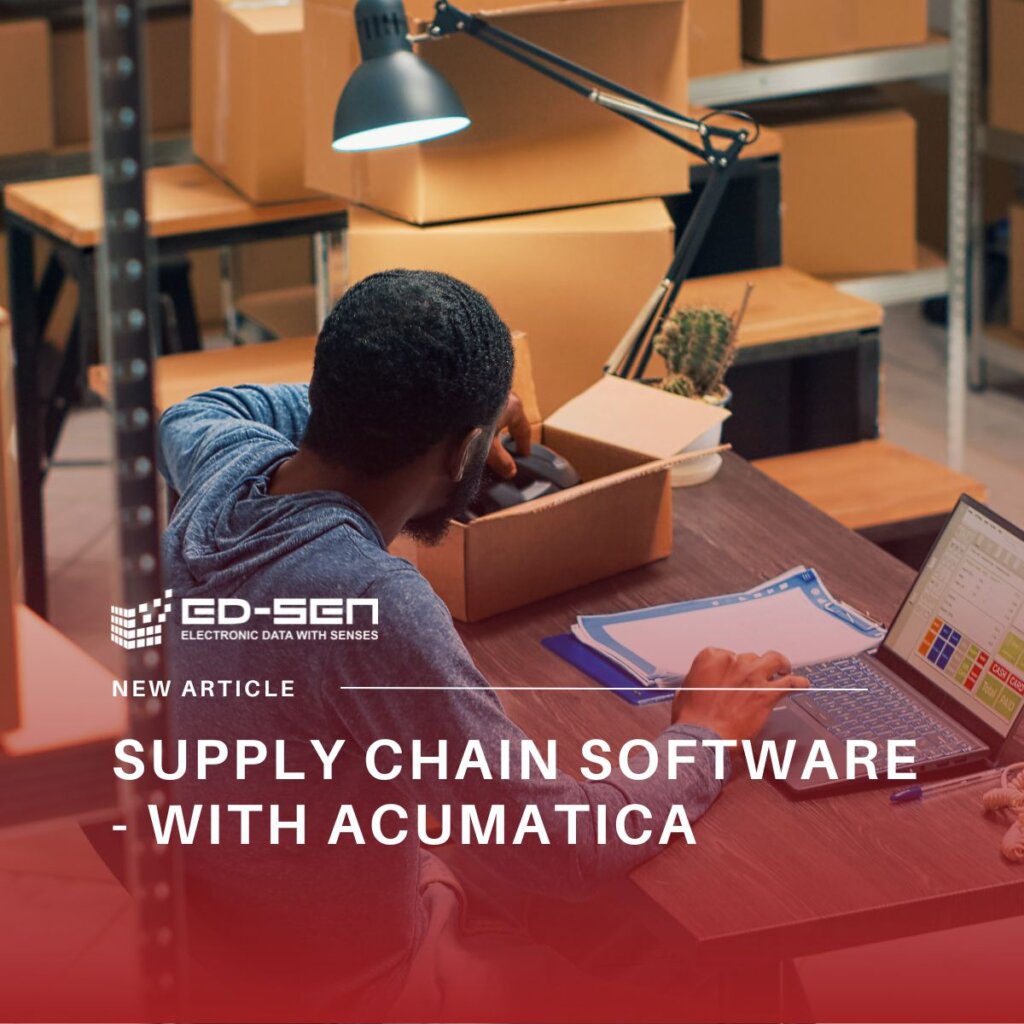
Supply Chain Software: Acumatica Cloud ERP
The right Supply Chain Software can feel like a secret weapon. It’s the difference between chaotic growth and a smooth, scalable operation. For an SME like yours, choosing the right tool is a huge decision. It's not just about a software purchase. It's about finding a partner that helps you grow. You want a system that simplifies your life, not complicates it. So, how do you navigate this crowded market?
You'll encounter many options, but the key is to look for one that fits your unique needs. A small business in Jakarta has different challenges than a large enterprise in Singapore. You need a solution that understands that. Let's explore what to look for, so you can make the smartest choice.
The Key Features Your Business Needs
When you start looking at Supply Chain Software, the list of features can seem endless. It can be overwhelming for you. But for an SME, you can narrow it down to the essentials. These are the core functionalities that will deliver the most value. You'll want to focus on these first.
First, look for powerful inventory management. This is the heart of your operation. You need to know what you have, where it is, and when to reorder. The software should give you real-time visibility. It should also track inventory across multiple locations. This prevents both frustrating stockouts and costly overstocking. You'll have better control of your cash flow.
Next, prioritize order processing. Your system should automate order entry. It should also connect sales to inventory. This ensures that every order is fulfilled accurately and on time. An efficient order-to-cash process keeps your customers happy. It also reduces manual data entry errors.
Another key feature is demand forecasting. This is where smart technology comes in. The software should use historical data to predict future sales. This helps you plan your purchasing and production. You won't be caught off guard by sudden spikes in demand. It also helps you prepare for seasonal changes. This gives you a serious competitive edge.
Finally, think about supplier collaboration. Your relationships with suppliers are vital. The software should help you manage purchase orders. It should also track supplier performance. This ensures you get the best prices and quality. A transparent and collaborative relationship with suppliers is a huge asset.
Why a Lean Supply Chain Gives You an Edge
You've likely heard the term "lean." In business, it means eliminating waste. A lean supply chain is one that's ultra-efficient. It focuses on creating maximum value with minimum resources. For an SME, this is the perfect strategy. It's a way to compete with bigger companies. Supply Chain Software is the tool that makes it possible.
A lean supply chain reduces costs for you. It cuts out unnecessary transportation. It also minimizes excess inventory. You're not tying up capital in goods that just sit around. This frees up resources. You can reinvest that money back into your business. This is how you fuel your growth.
It also improves your speed. By eliminating waste, you can respond to customer needs faster. Orders are processed more quickly. Deliveries are more reliable. This makes your business more agile. It helps you stay ahead of the competition. In today's market, speed is everything.
A lean approach also boosts quality. When you focus on efficiency, you find and fix errors. This leads to higher-quality products or services. Your customers will notice the difference. This helps build a strong brand reputation for you. A great product and fast delivery make for a winning combination.
Ultimately, a lean supply chain is a sustainable one. You use fewer resources. You create less waste. This is not only good for your bottom line. It's also good for the environment. It shows your customers that you care. Supply Chain Software is the technology that helps you achieve this.
Budgeting for Your First Supply Chain Software
Let's talk about money. You might think Supply Chain Software is only for big companies. It's a common misconception. In reality, many solutions are designed with SMEs in mind. You just need to know how to budget correctly. You can get powerful software without breaking the bank.
Start by looking at your Total Cost of Ownership (TCO). This includes more than just the licensing fee. You'll need to factor in implementation costs. Don't forget to train your team. Also, consider ongoing maintenance and support fees. Get a clear picture of all the expenses. This helps you avoid any surprises later.
Look for a vendor with flexible pricing. Many modern solutions offer a subscription model. You pay a monthly or yearly fee. This avoids a huge upfront investment for you. It's a predictable expense. You can start with a basic package. Then, add more features as you grow. This “pay-as-you-grow” model is perfect for SMEs.
Think about the potential return on investment (ROI). Supply Chain Software isn't an expense. It's a strategic investment. How much money will it save you? How much will it increase your sales? Calculate the value you'll gain from it. This helps you justify the cost to yourself. You'll see that the benefits often outweigh the price tag.
Finally, get multiple quotes from vendors. Ask them for a detailed breakdown. Compare their features and pricing carefully. Don't be afraid to ask questions. A good vendor will be transparent with their costs. They should be willing to help you find the best fit.
Choosing the right Supply Chain Software is a major step. It can set your business on a new path. By focusing on the right features, adopting a lean approach, and budgeting smartly, you can make a great choice. You'll be well on your way to a more efficient and profitable business.