Inventory is one of the most significant assets on your company’s balance sheet, but it can quickly become your biggest liability if mismanaged. Too much inventory ties up critical cash flow, inflates carrying costs, and risks obsolescence. Conversely, too little inventory leads to stockouts, lost sales, and frustrated customers who may never return. Achieving the perfect balance is the cornerstone of operational efficiency and profitability. It’s time to optimize inventory management with a strategic, technology-driven approach.
Here are five proven strategies to transform your inventory from a challenge into a competitive advantage.
1. Achieve Real-Time Visibility Across All Channels
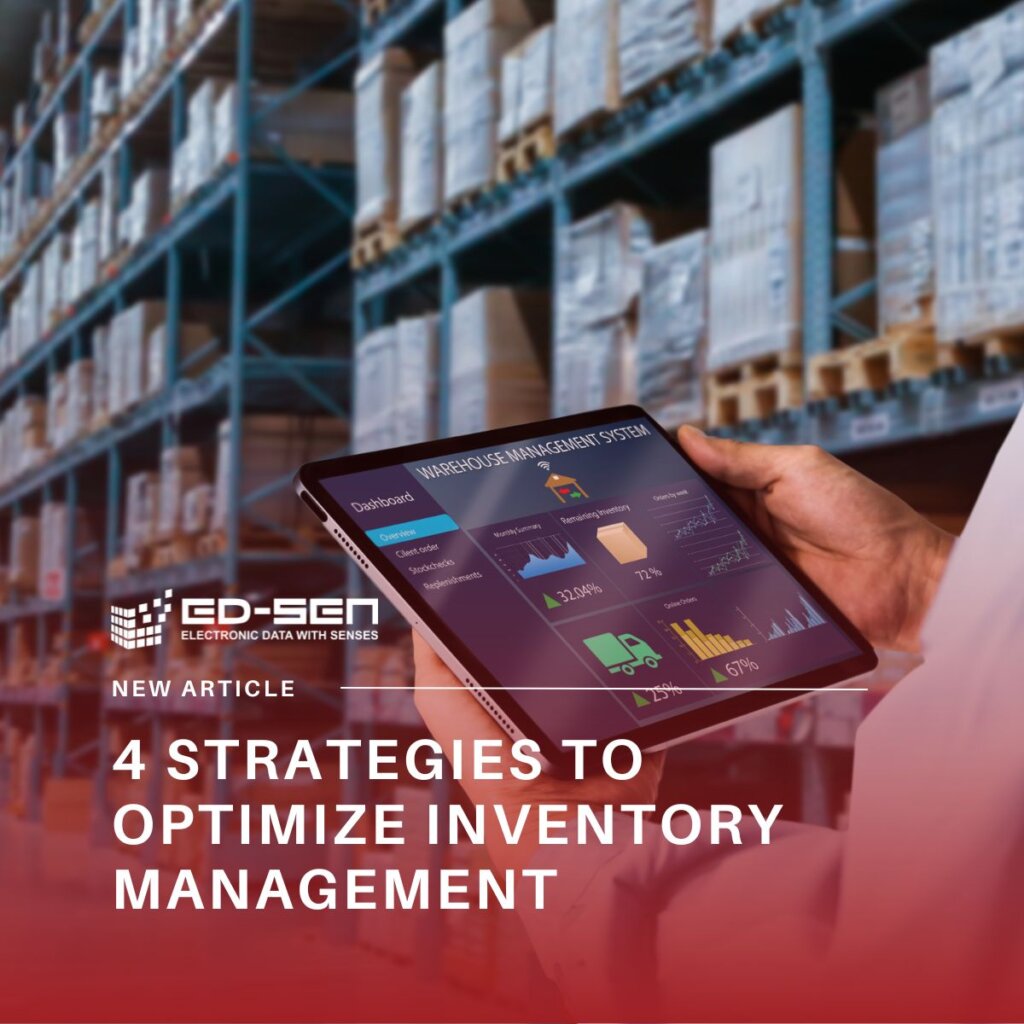
You cannot manage what you cannot see. The foundational step to optimize inventory management is establishing a single, accurate, and real-time view of your stock—whether it’s in a warehouse, across multiple distribution centers, in transit, or on retail shelves. Relying on manual counts and outdated spreadsheets is a recipe for disaster in today’s fast-paced market.
A modern inventory system provides live data, eliminating guesswork and empowering your team to make immediate, informed decisions about transfers, purchasing, and order fulfillment. This unified visibility is crucial for preventing discrepancies and ensuring data integrity across your entire operation.
2. Implement Data-Driven Demand Forecasting
Guesswork is the enemy of efficient inventory control. Instead of relying on intuition or historical averages alone, you must leverage your own data to accurately predict future demand. An integrated system can analyze historical sales trends, identify patterns of seasonality, and account for market fluctuations to generate reliable forecasts.
This data-driven approach allows you to stock the right products in the right quantities at the right time. By aligning your inventory levels with anticipated customer demand, you can dramatically reduce carrying costs associated with overstocking while simultaneously minimizing the risk of costly stockouts.
3. Automate Reorder Points and Purchasing
Manually tracking thousands of SKUs to determine when to reorder is not only inefficient but also highly susceptible to human error. To truly scale your operations and optimize inventory management, you must automate this critical process.
By setting dynamic reorder points (min/max levels) within an ERP system, you can create a proactive replenishment strategy. When stock for an item hits the minimum threshold, the system can automatically generate a purchase requisition or a purchase order for approval. This ensures you never run out of your most critical items and frees up your procurement team to focus on strategic tasks like supplier negotiation rather than manual data entry.
4. Utilize ABC Analysis and Costing Methods
Not all inventory is created equal. The Pareto Principle (80/20 rule) often applies, meaning a small percentage of your items generate the majority of your revenue. An ABC analysis helps you categorize items based on their importance:
- A-Items: High-value products with a low frequency of sales.
- B-Items: Moderate-value products with a moderate frequency of sales.
- C-Items: Low-value products with a high frequency of sales.
This insight allows you to prioritize your management efforts, optimize warehouse layouts for faster picking, and make strategic decisions about which products to promote or discontinue. Combining this with accurate costing methods (e.g., FIFO, LIFO, Average Costing) gives you a clear picture of your inventory’s true financial impact. Read also optimize inventory management in acumatica.
5. Improve Warehouse Organization and Slotting
An optimized warehouse is an efficient warehouse. Strategic slotting—the process of organizing products within your warehouse—can significantly reduce put-away and picking times, which in turn lowers labor costs.
Group fast-moving items together near shipping areas, place heavy items on lower shelves, and ensure your layout minimizes travel time for your staff. A well-organized warehouse not only improves operational speed but also reduces picking errors, leading to higher order accuracy and greater customer satisfaction.
Master Your Inventory with Acumatica Cloud ERP
Implementing these strategies effectively requires more than just good intentions; it demands a powerful, centralized platform that unifies your data and automates your processes.
Acumatica Cloud ERP provides the advanced, integrated tools you need to optimize inventory management from end to end. As a complete business management solution, Acumatica connects your inventory data with sales, purchasing, and financials in real time.
With Acumatica, you can:
- Gain Real-Time Visibility: Utilize intuitive dashboards to monitor inventory levels across multiple locations.
- Forecast with Confidence: Leverage powerful analytics and machine learning to predict demand accurately.
- Automate Purchasing: Set automatic reorder points to prevent stockouts and streamline procurement.
- Analyze Performance: Use built-in reporting to perform ABC analysis and track key metrics like inventory turnover.
Stop letting poor inventory control dictate your profitability. Contact Ed-Sen Consulting today to discover how Acumatica Cloud ERP can provide the visibility and control you need to turn your inventory into a strategic asset.
Click here to see how the company can optimize inventory management