
Archives
Result
Blog • 17 October 2025
What is Strategic Procurement? A Guide to Transforming Your Business
For many organizations, the procurement department is viewed as a purely operational function—a cost center responsible for buying goods and services at the lowest possible price. This tactical, short-sighted approach leaves immense value on the table. To gain a true competitive edge, businesses must evolve towards Strategic Procurement.
This isn't just a new buzzword; it's a fundamental shift in mindset that transforms procurement from a reactive administrative task into a proactive, value-driven powerhouse. This guide will explain what strategic procurement is, its core pillars, and how you can implement it to drive sustainable growth and profitability.
What is Strategic Procurement?
Strategic Procurement is a long-term, holistic approach to acquiring goods and services that aligns purchasing activities with the company's overall business objectives. Unlike traditional (or tactical) purchasing, which focuses narrowly on the upfront cost of each transaction, strategic procurement considers the Total Cost of Ownership (TCO), supply chain risk, supplier relationships, and potential for innovation.
- Tactical Purchasing: Asks, "How can we get this for the lowest price right now?"
- Strategic Procurement: Asks, "Which supplier partnership will deliver the best total value and support our long-term business goals?"
The goal is to optimize spending and build a resilient, high-performing supply base that actively contributes to the company's success.
[Image: A comparison table showing the key differences between Tactical Purchasing (Reactive, Price-Focused) and Strategic Procurement (Proactive, Value-Focused).]
The 4 Core Pillars of a Strategic Procurement Framework
Implementing a successful strategy requires focusing on four interconnected pillars. Mastering these areas will create a robust and value-oriented procurement function.
1. Comprehensive Spend Analysis
This is the foundation of any procurement strategy. It involves centralizing, cleansing, and analyzing all spend data to gain complete visibility into company-wide purchasing. A thorough spend analysis answers critical questions:
- What are we buying?
- Who are we buying from?
- Are we leveraging our volume to get the best prices?
- Which departments are responsible for the most spending? This data-driven insight is essential for identifying cost-saving opportunities and making informed decisions.
2. Proactive Supplier Relationship Management (SRM)
In Strategic Procurement, suppliers are not treated as interchangeable vendors but as valuable partners. SRM involves segmenting suppliers based on their strategic importance, monitoring their performance against key metrics (KPIs), and collaborating to drive mutual growth and innovation. Strong supplier relationships lead to better terms, improved reliability, and a more resilient supply chain.
3. Active Risk Management
A low-price supplier can become incredibly expensive if they fail to deliver on time or provide substandard goods. Strategic procurement involves proactively identifying, assessing, and mitigating potential risks across the supply chain. This includes everything from geopolitical instability and financial viability of suppliers to compliance and quality control.
4. Total Cost of Ownership (TCO) Focus
The purchase price is only one part of the equation. TCO analysis evaluates all direct and indirect costs associated with a purchase throughout its entire lifecycle, including shipping, installation, maintenance, and disposal costs. By focusing on TCO, you ensure you are making the most financially sound decision for the long term, not just the cheapest one for today.
The Technology Bridge: Why Strategy Fails Without Automation
A brilliant procurement strategy on paper will fail in practice if it relies on manual processes. Manual workflows—driven by spreadsheets, emails, and paper documents—cannot support the demands of a strategic function. They create:
- Data Silos: Making accurate spend analysis impossible.
- Process Bottlenecks: Slowing down approvals and payments, which damages supplier relationships.
- Lack of Visibility: Preventing effective risk management and performance tracking.
- Wasted Resources: Forcing your highly-skilled team to waste time on administrative tasks instead of strategic initiatives.
To execute a successful Strategic Procurement plan, you need a technological foundation that automates the tactical work and provides real-time, actionable data.
Yooz: The Engine for Your Strategic Procurement Success
Yooz P2P Automation is the powerful, intelligent platform that brings your procurement strategy to life. It automates the entire Procure-to-Pay process, providing the control, visibility, and efficiency needed to move from tactical purchasing to strategic value creation.
The Yooz platform empowers your team to:
- Achieve Perfect Spend Visibility: By capturing and digitizing 100% of your invoices, Yooz creates a centralized data hub for powerful spend analysis.
- Automate Tactical Workflows: Free your team from manual PO and invoice processing so they can focus on high-impact activities like supplier negotiation and risk assessment.
- Strengthen Supplier Relationships: Ensure on-time payments and provide a transparent, professional process that makes you a preferred customer.
- Enforce Strategic Policies: Ensure compliance with approved vendors and negotiated contracts, maximizing savings.
Don’t just plan for a better strategy—empower your team with the tools to execute it flawlessly.
Contact Ed-Sen Consulting today to discover how Yooz P2P Automation can be the cornerstone of your strategic procurement transformation.
Blog • 16 October 2025
Beyond Cost Savings: A Complete Guide to Strategic Sourcing
Is your procurement team's primary goal simply to find the lowest price for every purchase? While tactical cost-cutting is important, a relentless focus on price alone can lead to poor quality, unreliable suppliers, and hidden long-term expenses. To build a truly resilient and competitive business, you must evolve from simple purchasing to Strategic Sourcing.
This approach is not just about negotiating harder; it's a comprehensive, data-driven process for optimizing your entire supply base to achieve the best possible value. This guide will walk you through what strategic sourcing is, its core components, and how to implement it for a lasting competitive advantage.
What is Strategic Sourcing?
Strategic Sourcing is a continuous improvement and re-evaluation process that analyzes a company's spending patterns to identify the most effective way to procure goods and services. Unlike traditional (or tactical) purchasing, which is reactive and focuses on the price of individual transactions, strategic sourcing is proactive. It aims to reduce the Total Cost of Ownership (TCO) while mitigating risk, fostering strong supplier partnerships, and driving innovation.
In short, tactical purchasing asks, "How can we buy this cheaper?" Strategic sourcing asks, "How can we buy this smarter?"
[Image: A clear infographic contrasting the short-term, transactional nature of tactical purchasing with the long-term, relationship-focused cycle of strategic sourcing.]
The 5 Core Steps of the Strategic Sourcing Process
A successful sourcing strategy is not a one-time event but a continuous cycle. It typically involves these five critical steps:
1. Comprehensive Spend Analysis
You cannot optimize what you cannot see. This first step involves collecting, cleansing, and analyzing historical spend data from across the organization. The goal is to understand exactly what you are buying, who you are buying it from, how much you are spending per category, and which departments are driving that spend.
2. In-Depth Market Research
With a clear picture of your internal spending, the focus shifts to the external supply market. This involves researching potential new suppliers, understanding market dynamics, identifying price drivers, and benchmarking your current performance against industry standards.
3. The RFx Process (RFI, RFP, RFQ)
This is the formal process of engaging with the market.
- Request for Information (RFI): Gathers general information from potential suppliers.
- Request for Proposal (RFP): Solicits detailed proposals on how suppliers can meet your specific needs.
- Request for Quotation (RFQ): Asks for specific pricing on goods or services.
4. Negotiation and Contracting
Armed with data from the previous steps, you can now negotiate from a position of strength. This stage focuses on more than just price; it includes terms, quality standards, delivery schedules, and performance metrics. The result is a robust contract that aligns the supplier's performance with your business goals.
5. Supplier Relationship Management (SRM) and Performance Monitoring
The work isn't over once the contract is signed. Strategic Sourcing involves continuously monitoring supplier performance against key performance indicators (KPIs), providing feedback, and collaborating to drive ongoing improvements and innovation.
The Critical Role of Technology in Strategic Sourcing
While the framework above is clear, executing it manually is nearly impossible. Strategic sourcing is fundamentally data-dependent. Without the right technology, your efforts will be crippled by:
- Poor Data Visibility: Spend data is often scattered across different systems, making a true analysis impossible.
- Inefficient Processes: Manual invoice and PO processing consume valuable time that your team could be using for strategic analysis.
- Lack of Control: Without an automated system, maverick spending continues, undermining your carefully negotiated contracts.
To succeed, you need a powerful Procure-to-Pay (P2P) system that provides the foundation of data and automation your strategy requires.
Yooz: The Engine for Your Strategic Sourcing Success
While Strategic Sourcing is the plan, a powerful P2P automation platform is the engine that brings it to life. Yooz provides the end-to-end automation and real-time visibility needed to make data-driven sourcing a reality.
The Yooz P2P Automation platform empowers your team by:
- Providing Perfect Spend Visibility: By capturing and digitizing 100% of your invoices, Yooz creates a single, searchable database—the perfect foundation for spend analysis.
- Automating the Entire P2P Cycle: Yooz automates everything from purchase orders to invoice processing and approvals, freeing your procurement professionals to focus on high-value strategic tasks instead of manual paperwork.
- Enforcing Compliance: Ensure employees purchase from preferred suppliers at negotiated rates, eliminating maverick spend and maximizing savings.
Don’t let manual processes hold your procurement strategy back.
Contact Ed-Sen Consulting today to discover how Yooz provides the essential automation to power your strategic sourcing initiatives.
Blog • 16 October 2025
What is a Procurement System? A Guide to Gaining Control Over Your Business Spending
Is your company's purchasing process chaotic? Do different departments buy from unapproved vendors? Is it nearly impossible to track spending until after the fact? If so, you're not just disorganized—you're losing money. Without a centralized strategy, businesses suffer from maverick spending, operational delays, and a complete lack of financial visibility.
The solution lies in implementing a modern Procurement System. This is not just software; it's a strategic framework for managing how your organization acquires goods and services. This guide will explain what a procurement system is and how the right one can transform your spending from a liability into a strategic asset.
What is a Procurement System?
A Procurement System is an integrated platform that centralizes, controls, and automates the entire process of acquiring goods and services for a business. It manages everything from vendor selection and purchase requisitions to purchase order creation, goods receipt, invoice processing, and payment.
Think of it as the central nervous system for your company's purchasing. It connects all stakeholders—employees, managers, procurement teams, and vendors—under a single set of rules and workflows, ensuring every dollar is spent efficiently and transparently.
[Image: A diagram illustrating the key stages of an automated procurement system, from requisition to payment.]
The Dangers of Operating Without a Procurement System
Many businesses, especially as they grow, underestimate the hidden costs of decentralized or manual purchasing. These inefficiencies create significant problems:
- Lack of Spend Visibility: Without a central system, it's impossible to get a real-time overview of who is spending what, and with which suppliers. This makes budgeting and financial forecasting an exercise in guesswork.
- Maverick Spending: When employees purchase outside of established contracts and approved vendor lists, you lose negotiating power and often pay higher prices. This "rogue" spending also introduces compliance and quality risks.
- Inefficient, Manual Processes: Paper-based requisitions, email approvals, and manual purchase order creation are incredibly slow and prone to human error. Documents get lost, approvals are delayed, and your team wastes countless hours on low-value administrative tasks.
- Strained Vendor Relationships: A disorganized process often leads to delayed payments and communication breakdowns with suppliers. This can damage relationships, resulting in less favorable terms and potential supply chain disruptions.
The Strategic Benefits of a Modern Procurement System
Implementing a robust Procurement System delivers transformative results that go straight to your bottom line.
1. Centralize and Control All Spending
Gain a single source of truth for all purchasing activities. A procurement system enforces purchasing policies, ensures employees buy from preferred suppliers at negotiated rates, and provides a complete, real-time audit trail of every transaction.
2. Automate and Accelerate Workflows
Digitize the entire procure-to-pay lifecycle. Purchase requests are automatically routed to the correct approvers based on custom rules (e.g., department, spend amount). Purchase orders are generated and sent instantly, and invoices are matched automatically, reducing cycle times from weeks to hours.
3. Eliminate Maverick Spending
By providing employees with an easy-to-use platform featuring pre-approved catalogs and vendors, you make it simple for them to do the right thing. This eliminates uncontrolled spending and maximizes your cost-saving opportunities.
4. Generate Actionable Data and Insights
A key function of a Procurement System is data collection. It allows you to analyze spending patterns, evaluate supplier performance, and identify further opportunities for consolidation and negotiation, empowering you to make smarter, data-driven decisions.
Elevate Your Strategy with Yooz Procure-to-Pay Automation
A basic procurement system can organize your purchasing, but a truly advanced solution will automate the entire financial workflow. The goal is not just to manage procurement but to perfect the entire Procure-to-Pay (P2P) process.
This is where Yooz excels.
Yooz is the most intelligent, powerful, and easy-to-use cloud P2P automation solution on the market. It goes beyond simple purchasing to provide end-to-end automation for your entire procurement and accounts payable process. With Yooz, you can leverage a best-in-class Procurement System that:
- Automates Every Step: From purchase requisition to AI-powered invoice capture and approval.
- Provides Unmatched Visibility: Track every transaction on a real-time dashboard.
- Integrates Seamlessly: Connects perfectly with over 250 ERPs and accounting systems.
Stop letting disorganized spending drain your resources. It's time to implement a system that gives you total control and drives strategic value.
[Contact Ed-Sen Consulting today to learn how the Yooz P2P platform can be the ultimate procurement solution for your business.]
Blog • 16 October 2025
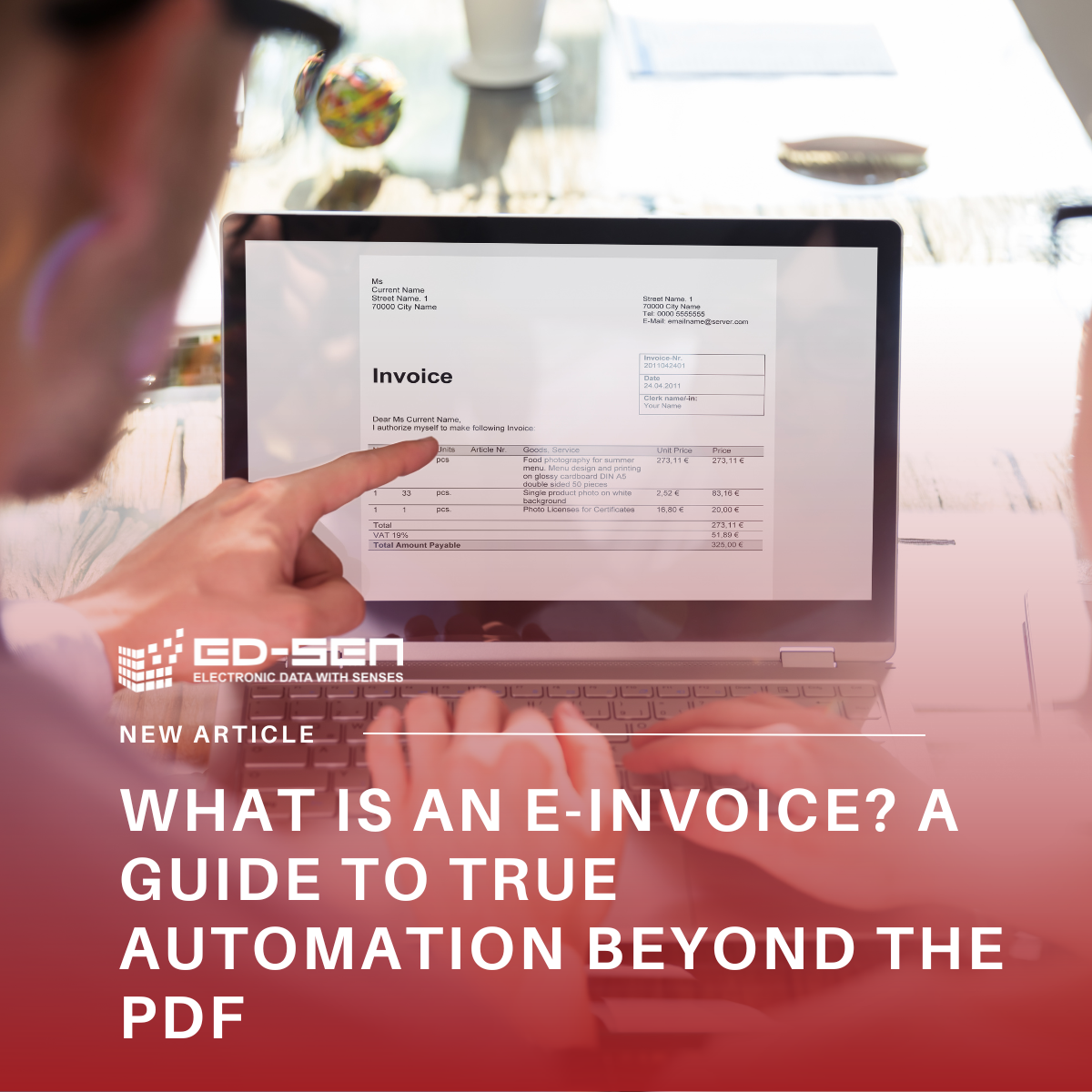
What is an E-Invoice? A Guide to True Automation Beyond the PDF
Is your accounts payable team's inbox flooded with PDF invoices attached to emails? Many businesses believe this is "electronic invoicing," but it's a common misconception that costs them time and money. While digital, a PDF is often just a picture of a document, still requiring manual data entry to process.
A true E-Invoice, however, is something far more powerful. It is the key to unlocking next-level efficiency in your procurement process. This guide will clarify what an E-invoice is, why it matters, and how to leverage it to revolutionize your financial operations.
The Critical Difference: PDF Invoices vs. True E-Invoices
To understand the value, we must first define the terms. The distinction is crucial for any business serious about automation.
- PDF/Digital Invoice: This is simply an electronic version of a paper document. Your team must still manually read the PDF and key the invoice number, purchase order, line items, and totals into your accounting system. It is prone to human error and is only marginally more efficient than paper.
- True E-Invoice: An E-Invoice (Electronic Invoice) is a file containing structured invoice data that is transmitted directly from the supplier's system to the buyer's system. This data is in a machine-readable format (like XML or UBL), meaning no manual data entry is required. The information is automatically and accurately captured by the receiving system.
Think of it as the difference between receiving a photograph of a spreadsheet and receiving the actual spreadsheet file itself. One requires you to re-type everything, while the other allows you to start working with the data instantly.
[Image: A clear infographic comparing the manual workflow of a PDF invoice against the automated, system-to-system flow of a true E-Invoice.]
The Transformative Benefits of Adopting E-Invoicing
When you move from digital PDFs to a true E-Invoice framework, the operational advantages are immediate and substantial.
1. Drastically Reduce Processing Costs
By eliminating manual data entry, you remove the single most time-consuming task in invoice processing. This frees your AP team from tedious, low-value work and allows them to focus on strategic activities like budget analysis and vendor management. The cost per invoice processed plummets.
2. Achieve Unprecedented Speed and Efficiency
An E-Invoice can be received, validated, and matched against a purchase order in seconds, not days. This radical acceleration of the procure-to-pay cycle means vendors get paid faster, and your internal processes run without friction.
3. Enhance Accuracy and Eliminate Errors
Machine-to-machine data transfer is virtually error-free. You can say goodbye to costly typos, incorrect payment amounts, and duplicate invoices that disrupt your financial records and require hours of corrective work.
4. Gain Real-Time Financial Visibility
With invoice data being captured instantly and accurately, you gain a real-time view of your company's liabilities. This allows for more precise cash flow forecasting, better budget management, and more informed financial decision-making.
Why an E-Invoice is Only the First Step
Receiving a structured E-Invoice is a game-changer, but its power is limited if the rest of your procurement process remains manual. What happens after the invoice data is captured?
- Is it routed automatically for approval?
- Is it instantly matched against the corresponding purchase order and goods receipt note (three-way matching)?
- Is it seamlessly integrated into your ERP for payment?
Without an end-to-end automated system, even a perfect E-Invoice can get stuck in an email chain waiting for approval, defeating the purpose of its speed.
Yooz: Unlocking the Full Power of E-Invoicing and Beyond
This is where a complete procure-to-pay (P2P) automation solution becomes essential. An E-Invoice is the fuel, but Yooz is the high-performance engine that uses it to drive your business forward.
Yooz is the smartest and most powerful cloud-based P2P automation platform that manages your entire procurement workflow. It not only processes true E-Invoices instantly but also uses advanced AI-powered optical character recognition (OCR) to intelligently capture data from PDFs and paper invoices with unmatched accuracy.
With Yooz, you can:
- Automate Everything: From invoice capture and three-way matching to dynamic approval workflows and ERP integration.
- Eliminate Manual Work: Free your team to focus on what matters most.
- Gain Complete Control: Achieve 100% visibility over your spending and liabilities.
Don't just digitize your invoices—automate the entire process.
Contact Ed-Sen Consulting today to learn how Yooz P2P Automation can transform your procurement operations.
Blog • 22 September 2025
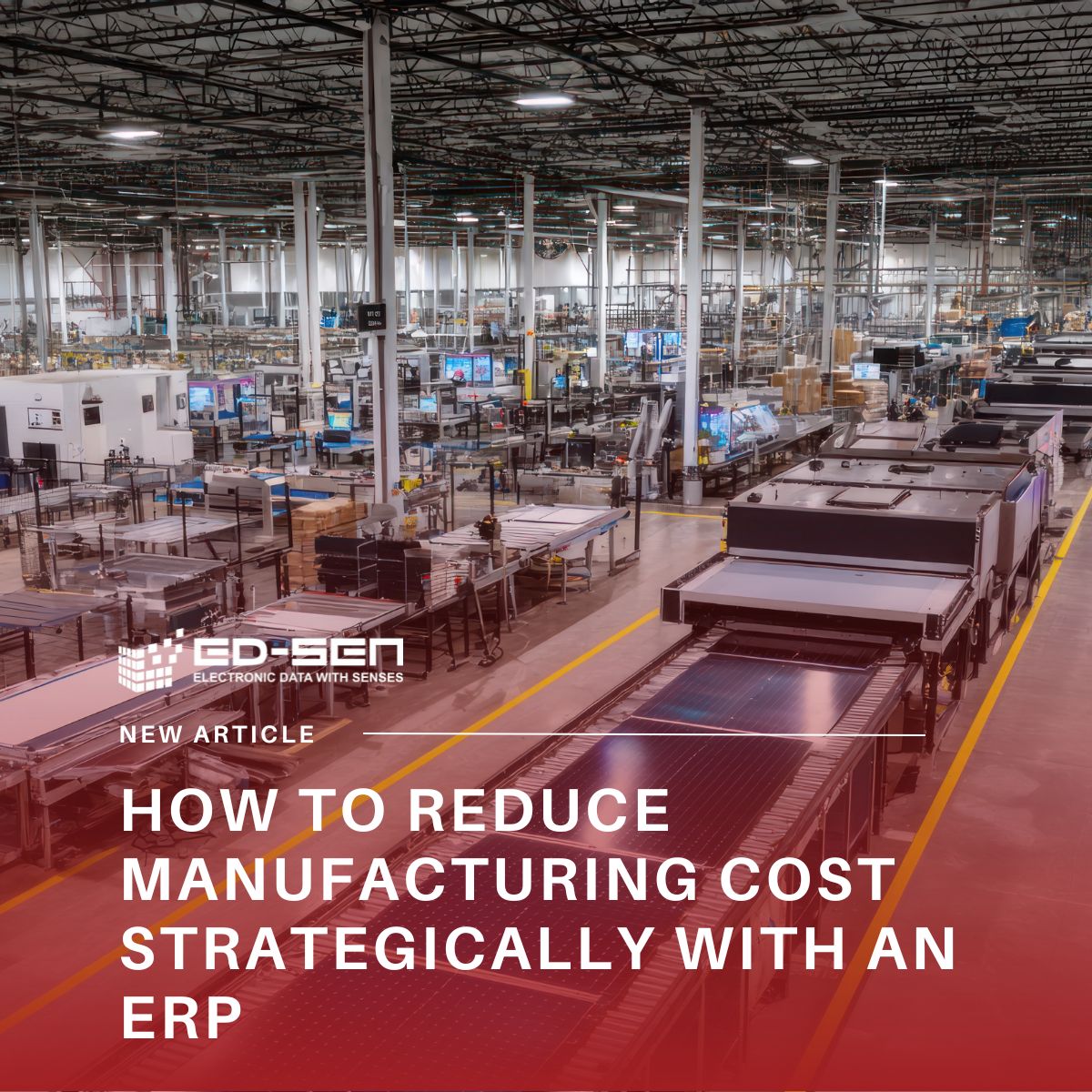
4 Proven Strategies to Reduce Manufacturing Cost with a Modern ERP
In today's competitive market, the pressure to optimize operations and boost profitability is relentless. For manufacturers, a critical component of this is effectively managing and reducing production costs. Lowering expenses without sacrificing quality is the key to sustainable growth and maintaining a competitive edge. This article will explore practical and proven strategies to reduce manufacturing costs and introduce a powerful tool that can help you achieve these goals.
Key Strategies to Reduce Manufacturing Cost
Controlling expenses in a manufacturing environment is a multifaceted challenge. It requires a holistic view of your operations, from raw materials to the final product. Here are some of the most effective strategies to implement:
1. Embrace Lean Manufacturing Principles
Lean manufacturing is a systematic method for waste minimization within a manufacturing system without sacrificing productivity. The core idea is to eliminate any activity that consumes resources but does not add value for the customer. Key areas of focus include:
- Waste Reduction: Identify and eliminate the eight wastes of lean: defects, overproduction, waiting, non-utilized talent, transportation, inventory, motion, and extra-processing.
- Continuous Improvement (Kaizen): Foster a culture where every employee is encouraged to find and eliminate inefficiencies in their daily tasks.
- Value Stream Mapping: Analyze the entire production process to identify and remove steps that do not create value.
2. Optimize Your Supply Chain
An efficient supply chain is crucial for cost reduction. Inefficiencies in sourcing, procurement, and logistics can quickly inflate your operational costs.
- Supplier Negotiation: Build strong relationships with your suppliers to negotiate better terms, bulk discounts, and favorable payment conditions.
- Strategic Sourcing: Don't rely on a single supplier. Diversifying your sources can mitigate risks and provide leverage for better pricing.
- Improve Collaboration: Share forecasts and inventory data with your key suppliers to reduce lead times and avoid costly miscommunications.
3. Smart Automation and Technology Investment
Automation is a powerful tool for reducing labor costs, improving accuracy, and increasing efficiency. However, it's crucial to automate with a clear purpose.
- Automate Repetitive Tasks: Identify manual, repetitive tasks that are prone to human error and can be easily automated. This frees up your skilled workforce to focus on more value-added activities.
- Predictive Maintenance: Utilize IoT sensors and predictive analytics to monitor machinery. This allows you to perform maintenance before a failure occurs, significantly reducing unplanned downtime and expensive repairs.
4. Efficient Inventory Management
Carrying excess inventory ties up capital and incurs storage costs. On the other hand, insufficient stock can lead to lost sales and customer dissatisfaction.
- Just-in-Time (JIT) Inventory: Implement a JIT system to receive materials from suppliers only as they are needed in the production process, which minimizes inventory holding costs.
- Inventory Tracking: Use inventory management software to get a real-time view of your stock levels. This helps in preventing overstocking and stockouts.
5. Focus on Energy Efficiency
Energy consumption can be a significant overhead for manufacturers. Implementing energy-saving measures can lead to substantial cost reductions.
- Energy Audits: Regularly conduct energy audits to identify areas of high consumption and potential wastage.
- Upgrade to Efficient Equipment: Invest in energy-efficient machinery and lighting (such as LEDs).
- Smart Controls: Use smart thermostats and sensors to manage heating, cooling, and power down equipment when not in use.
The Ultimate Solution: Acumatica Cloud ERP
Implementing these strategies manually can be a monumental task. To truly unlock their full potential and achieve significant cost savings, you need a centralized system that provides visibility, control, and intelligence across your entire operation. This is where Acumatica Cloud ERP comes in.
Acumatica is a comprehensive, cloud-based Enterprise Resource Planning (ERP) solution designed for the modern manufacturer. It integrates all aspects of your business—from the shop floor to the top floor—into a single, unified platform.
Here’s how Acumatica Cloud ERP helps you reduce manufacturing costs:
- Streamlined Operations: Acumatica automates critical manufacturing processes, from production planning and scheduling to inventory control and financial management. This reduces manual tasks, minimizes errors, and improves overall efficiency.
- Real-Time Inventory Management: Gain complete visibility into your inventory levels in real-time. Acumatica helps you optimize stock levels, reduce carrying costs, and prevent stockouts with advanced replenishment features.
- Enhanced Production Planning: With Material Requirements Planning (MRP) and Master Production Scheduling (MPS), you can accurately forecast demand, plan production, and ensure you have the right materials at the right time.
- Improved Cost Control: Acumatica provides real-time tracking of production costs, including materials, labor, and overhead. This allows you to analyze estimated vs. actual costs and make informed decisions to improve profitability.
- Data-Driven Insights: With powerful reporting and analytics, you can monitor key performance indicators (KPIs), identify trends, and gain actionable insights to continuously improve your operations and reduce costs.
By providing a single source of truth and automating key processes, Acumatica Cloud ERP empowers you to implement cost-saving strategies effectively and drive sustainable growth.
Ready to take control of reducing manufacturing costs and boost your bottom line? Contact Ed-Sen Consulting today to learn how Acumatica Cloud ERP can transform your business.
Blog • 22 September 2025
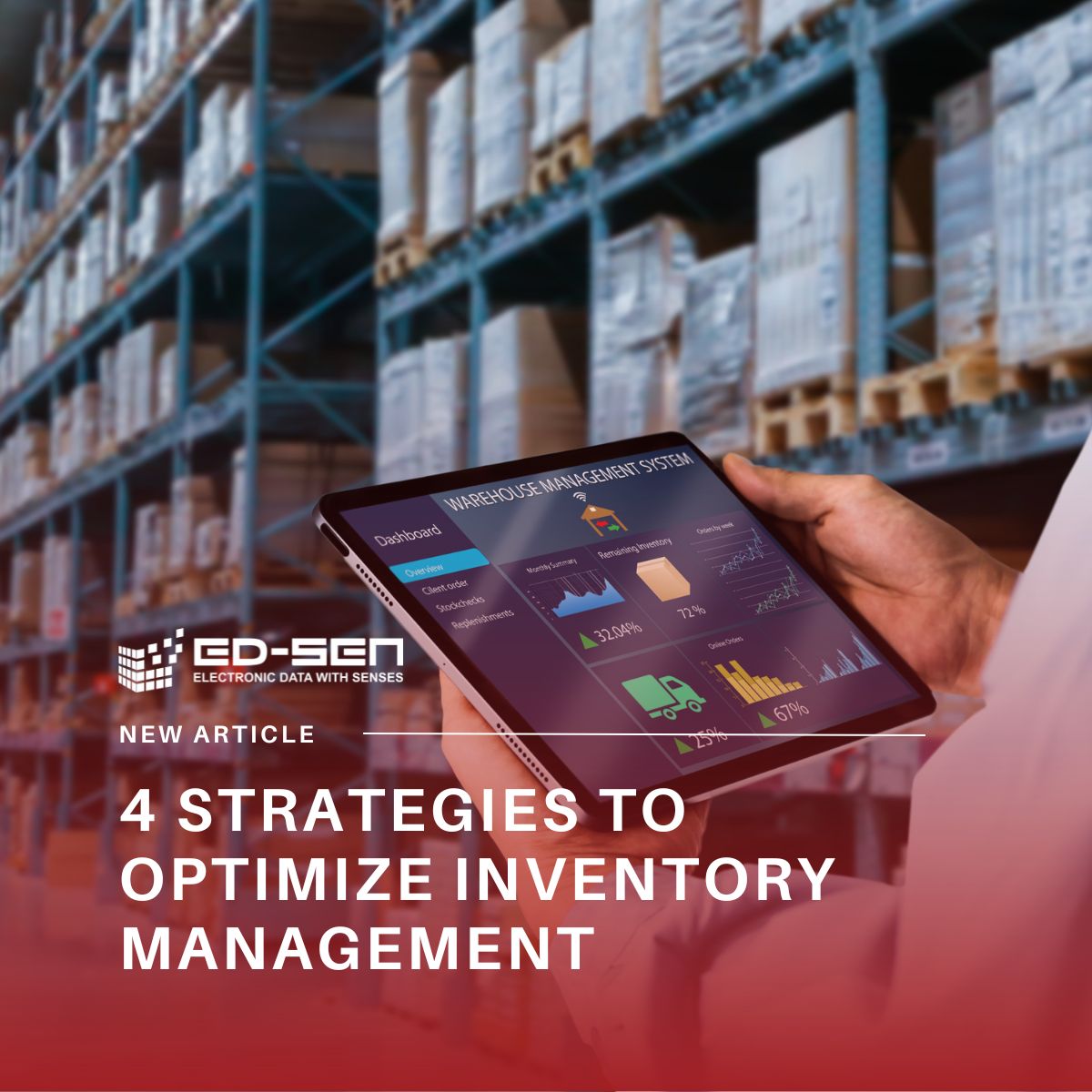
5 Proven Strategies to Optimize Inventory Management for Profitability
Inventory is one of the most significant assets on your company's balance sheet, but it can quickly become your biggest liability if mismanaged. Too much inventory ties up critical cash flow, inflates carrying costs, and risks obsolescence. Conversely, too little inventory leads to stockouts, lost sales, and frustrated customers who may never return. Achieving the perfect balance is the cornerstone of operational efficiency and profitability. It's time to optimize inventory management with a strategic, technology-driven approach.
Here are five proven strategies to transform your inventory from a challenge into a competitive advantage.
1. Achieve Real-Time Visibility Across All Channels
You cannot manage what you cannot see. The foundational step to optimize inventory management is establishing a single, accurate, and real-time view of your stock—whether it's in a warehouse, across multiple distribution centers, in transit, or on retail shelves. Relying on manual counts and outdated spreadsheets is a recipe for disaster in today's fast-paced market.
A modern inventory system provides live data, eliminating guesswork and empowering your team to make immediate, informed decisions about transfers, purchasing, and order fulfillment. This unified visibility is crucial for preventing discrepancies and ensuring data integrity across your entire operation.
2. Implement Data-Driven Demand Forecasting
Guesswork is the enemy of efficient inventory control. Instead of relying on intuition or historical averages alone, you must leverage your own data to accurately predict future demand. An integrated system can analyze historical sales trends, identify patterns of seasonality, and account for market fluctuations to generate reliable forecasts.
This data-driven approach allows you to stock the right products in the right quantities at the right time. By aligning your inventory levels with anticipated customer demand, you can dramatically reduce carrying costs associated with overstocking while simultaneously minimizing the risk of costly stockouts.
3. Automate Reorder Points and Purchasing
Manually tracking thousands of SKUs to determine when to reorder is not only inefficient but also highly susceptible to human error. To truly scale your operations and optimize inventory management, you must automate this critical process.
By setting dynamic reorder points (min/max levels) within an ERP system, you can create a proactive replenishment strategy. When stock for an item hits the minimum threshold, the system can automatically generate a purchase requisition or a purchase order for approval. This ensures you never run out of your most critical items and frees up your procurement team to focus on strategic tasks like supplier negotiation rather than manual data entry.
4. Utilize ABC Analysis and Costing Methods
Not all inventory is created equal. The Pareto Principle (80/20 rule) often applies, meaning a small percentage of your items generate the majority of your revenue. An ABC analysis helps you categorize items based on their importance:
- A-Items: High-value products with a low frequency of sales.
- B-Items: Moderate-value products with a moderate frequency of sales.
- C-Items: Low-value products with a high frequency of sales.
This insight allows you to prioritize your management efforts, optimize warehouse layouts for faster picking, and make strategic decisions about which products to promote or discontinue. Combining this with accurate costing methods (e.g., FIFO, LIFO, Average Costing) gives you a clear picture of your inventory's true financial impact. Read also optimize inventory management in acumatica.
5. Improve Warehouse Organization and Slotting
An optimized warehouse is an efficient warehouse. Strategic slotting—the process of organizing products within your warehouse—can significantly reduce put-away and picking times, which in turn lowers labor costs.
Group fast-moving items together near shipping areas, place heavy items on lower shelves, and ensure your layout minimizes travel time for your staff. A well-organized warehouse not only improves operational speed but also reduces picking errors, leading to higher order accuracy and greater customer satisfaction.
Master Your Inventory with Acumatica Cloud ERP
Implementing these strategies effectively requires more than just good intentions; it demands a powerful, centralized platform that unifies your data and automates your processes.
Acumatica Cloud ERP provides the advanced, integrated tools you need to optimize inventory management from end to end. As a complete business management solution, Acumatica connects your inventory data with sales, purchasing, and financials in real time.
With Acumatica, you can:
- Gain Real-Time Visibility: Utilize intuitive dashboards to monitor inventory levels across multiple locations.
- Forecast with Confidence: Leverage powerful analytics and machine learning to predict demand accurately.
- Automate Purchasing: Set automatic reorder points to prevent stockouts and streamline procurement.
- Analyze Performance: Use built-in reporting to perform ABC analysis and track key metrics like inventory turnover.
Stop letting poor inventory control dictate your profitability. Contact Ed-Sen Consulting today to discover how Acumatica Cloud ERP can provide the visibility and control you need to turn your inventory into a strategic asset.
Click here to see how the company can optimize inventory management