
Archives
Result
Acumatica ERP Manufacturing • 5 June 2026
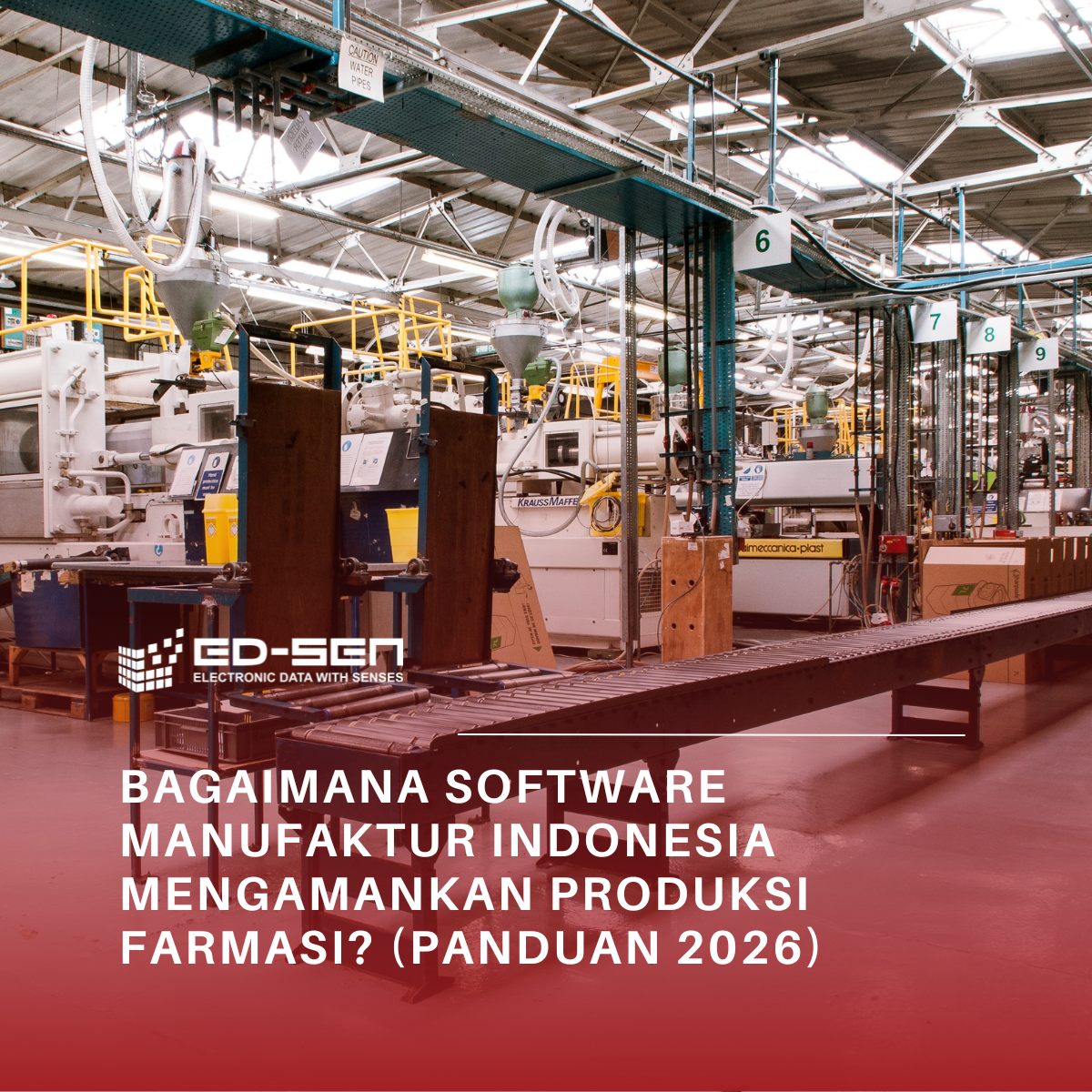
How Does Manufacturing Software Secure Pharmaceutical Production? (2026 Guide)
How Does Manufacturing Software Secure Pharmaceutical Production? (2026 Guide)
How does manufacturing software secure and optimize pharmaceutical operations? Manufacturing software is a centralized, cloud-based Enterprise Resource Planning (ERP) solution designed to automate batch processing, enforce strict quality control, and guarantee end-to-end traceability for active pharmaceutical ingredients (APIs). For medical manufacturers in 2026, deploying this integrated platform is the definitive strategy to prevent formula intellectual property (IP) theft, eliminate drug shortages, and ensure strict compliance with global health regulations and local financial standards (such as PSAK and automated tax handling).
The pharmaceutical industry operates under the most rigorous regulatory scrutiny in the world. Relying on fragmented systems or legacy spreadsheets to manage temperature-sensitive vaccines and complex chemical formulations creates massive public health and financial risks.
This guide explores the transformative capabilities of modern production platforms and how they safeguard medical operations against costly compliance failures.
Table of Contents (FAQ Format)
- What Are the Core Production Challenges in Pharmaceuticals?
- How Does the System Ensure End-to-End Medical Traceability?
- Why is FEFO Inventory Management Essential for Drugs?
- What Are the Key Features of Acumatica Cloud ERP?
- How to Secure Your Operations with Edsen Consulting?
1. What Are the Core Production Challenges in Pharmaceuticals?
Managing a pharmaceutical plant involves high-stakes variables. The primary challenges include maintaining strict Good Manufacturing Practices (GMP), securing proprietary drug recipes against unauthorized access, and managing the exact yield variations of complex chemical reactions. Without centralized manufacturing software, tracking these metrics in real-time is operationally impossible, leading to delayed audits and compromised drug efficacy.
2. How Does the System Ensure End-to-End Medical Traceability?
In the medical field, visibility equates to safety. Advanced systems provide granular Lot, Serial, and Batch Tracking. If a contamination issue is detected, the software allows manufacturers to execute a surgical product recall in minutes. It instantly traces a specific batch of raw chemicals back to the vetted supplier, and forward to every pharmacy that received the finished pill bottle, completely mitigating legal liabilities.
3. Why is FEFO Inventory Management Essential for Drugs?
APIs and finished medications have strict expiration dates. Manual warehouse picking inevitably leads to massive financial losses due to spoiled inventory. A modern cloud platform enforces automated FEFO (First Expired, First Out) logic. The system intelligently prevents warehouse staff from picking newer batches if older, safe batches are available, drastically reducing medical waste.
4. What Are the Key Features of Acumatica Cloud ERP?
Consistently recognized as a leader in cloud business management (source: www.acumatica.com), Acumatica Cloud ERP delivers dedicated modules tailored for process manufacturing. It offers Consumption-Based Pricing with Unlimited User Licensing, allowing every QA inspector and lab technician to access the system without per-seat growth taxes.
Core features include:
- Advanced Bill of Materials (BOM) & Routing: Securely manage multi-level drug formulations, calculate precise yield losses, and document strict batch handling instructions.
- Material Requirements Planning (MRP): An intelligent engine that balances API supplies with market demand forecasts to prevent critical medication stockouts.
- Quality Management System (QMS): Natively triggers mandatory quality assurance tests during the receiving, production, and shipping phases.
- Lot and Serial Tracking: Ensures comprehensive end-to-end traceability for strict medical compliance.
5. How to Secure Your Operations with Edsen Consulting?
Executing a digital transformation in the pharmaceutical sector requires an implementation partner who understands both enterprise technology and strict medical workflows.
Edsen Consulting is a certified, highly trusted Gold Partner of Acumatica Cloud ERP. We specialize in mapping complex pharmaceutical Standard Operating Procedures (SOPs) into secure, scalable cloud ecosystems.
Ready to modernize your medical production line? Stop leaving your pharmaceutical supply chain vulnerable to manual errors.
Contact Edsen Consulting today to claim your Free Demo of Acumatica Cloud ERP.
FAQ
What is manufacturing software in the pharmaceutical industry?
It is an integrated Cloud ERP platform designed to manage complex drug formulations, ensure strict regulatory compliance, and provide end-to-end traceability for medical production.
How does manufacturing software prevent drug spoilage?
The software enforces automated FEFO (First Expired, First Out) inventory logic, directing warehouse staff to pick materials closest to their expiration date to minimize medical waste.
Why is batch traceability important in pharmaceuticals?
Traceability allows companies to instantly track raw materials from suppliers to finished products, enabling rapid, targeted product recalls in the event of contamination.
What makes Acumatica Cloud ERP ideal for pharmaceuticals?
Acumatica features advanced MRP, an integrated Quality Management System (QMS), strict expiration tracking, and an unlimited user licensing model so all lab staff can securely access the platform.
How can I request a Free Demo of Acumatica Cloud ERP?
You can easily request a Free Demo by contacting Edsen Consulting, a certified Acumatica Gold Partner specializing in secure digital transformations for the pharmaceutical industry.
Acumatica ERP Manufacturing • 4 June 2026
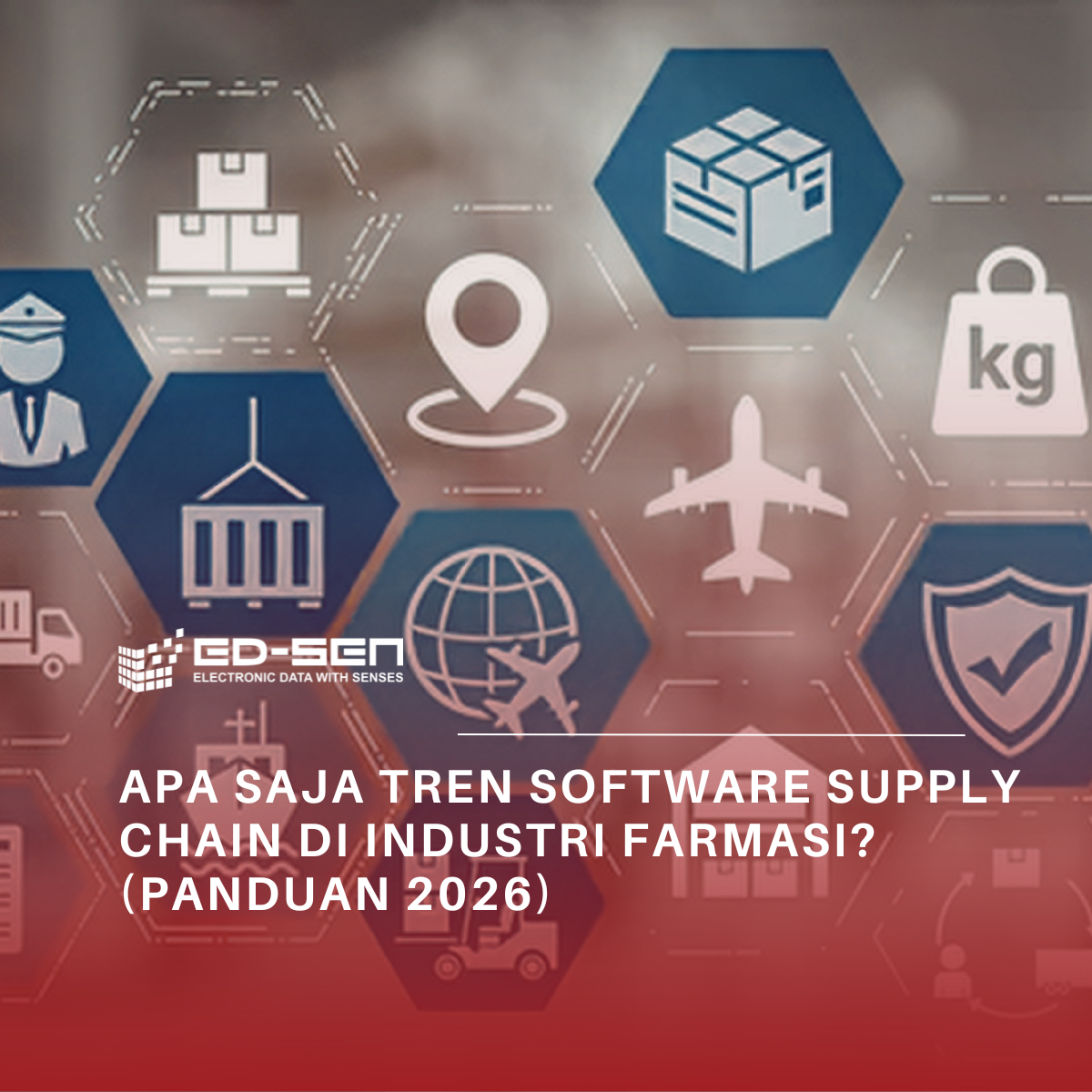
What Are the Top Supply Chain Software Trends in Pharmaceuticals? (2026 Guide)
What Are the Top Supply Chain Software Trends in Pharmaceuticals? (2026 Guide)
What are the leading supply chain software trends driving the pharmaceutical sector today? The most critical supply chain software trends revolve around adopting cloud-based Enterprise Resource Planning (ERP) systems that natively integrate advanced forecasting, strict end-to-end batch traceability, and automated regulatory compliance. For pharmaceutical manufacturers and distributors operating in Indonesia in 2026, embracing these trends means transitioning to integrated platforms that guarantee PSAK Compliant financial reporting and automated Tax Regulation (PPN/PPh) handling. By modernizing their digital infrastructure, medical facilities in Jakarta and surrounding industrial hubs can eliminate drug shortages, prevent counterfeit materials, and scale securely using Consumption-based pricing without facing restrictive per-user IT costs.
The pharmaceutical industry operates under the strictest regulatory scrutiny in the world. Managing the lifecycle of Active Pharmaceutical Ingredients (APIs) and temperature-sensitive vaccines using outdated legacy software is no longer viable.
This guide explores the transformative software trends reshaping medical logistics and how adopting the right cloud architecture future-proofs your operations.
Table of Contents (FAQ Format)
- Why is End-to-End Traceability the Dominant Trend?
- How is Cloud Automation Transforming FEFO Inventory?
- Why is Compliance Automation a Non-Negotiable Requirement?
- What Are the Key Pharmaceutical Features of Acumatica Cloud ERP?
- How to Future-Proof Your Operations with Edsen Consulting?
1. Why is End-to-End Traceability the Dominant Trend?
In the medical sector, traceability is synonymous with public safety. A major trend is the shift toward granular Lot and Serial Tracking. If a contamination issue occurs, a modern supply chain system allows manufacturers to execute a targeted product recall within minutes. The software instantly traces a specific batch of raw chemicals back to the exact supplier and forward to every hospital or pharmacy that received the finished medication, completely mitigating legal and health risks.
2. How is Cloud Automation Transforming FEFO Inventory?
Pharmaceuticals have strict shelf lives. Relying on manual warehouse picking leads to massive financial losses due to expired drugs. Current supply chain software trends emphasize automated FEFO (First Expired, First Out) logic. The system intelligently directs warehouse staff to pick the batches with the nearest expiration dates, drastically reducing medical waste and ensuring that only safe, viable products reach the market.
3. Why is Compliance Automation a Non-Negotiable Requirement?
Global compliance must be balanced with strict local financial adherence. For enterprises in Indonesia, the system must handle localized tax environments automatically. This trend focuses on integrating supply chain movements directly with finance, ensuring that every procurement and distribution transaction automatically triggers the correct Input/Output VAT (PPN) and Withholding Tax (PPh) calculations, while seamlessly connecting to the e-Faktur tax portal.
4. What Are the Key Pharmaceutical Features of Acumatica Cloud ERP?
As a leader in cloud business management (source: www.acumatica.com), Acumatica Cloud ERP perfectly aligns with current pharmaceutical trends. It utilizes a unique Unlimited user licensing model, meaning you can grant system access to every R&D scientist, QA/QC inspector, and warehouse operator without paying per-seat fees.
Core features for the pharmaceutical sector include:
- Advanced Material Requirements Planning (MRP): Balances complex formulation demands with raw material lead times to prevent API stockouts.
- Expiration Date and Lot Tracking: Enforces rigid FEFO logic and provides the unalterable audit trails required by health authorities.
- Quality Management System (QMS) Integration: Triggers mandatory quality checks during receiving, production, and shipping phases to ensure drug efficacy.
5. How to Future-Proof Your Operations with Edsen Consulting?
Capitalizing on these technology trends requires a partner with deep expertise in both enterprise software and local market dynamics.
Edsen Consulting is a certified and trusted Gold Partner of Acumatica Cloud ERP. We specialize in executing flawless digital transformations for the pharmaceutical and manufacturing sectors, ensuring that your strict standard operating procedures (SOPs) are perfectly mapped into a secure, scalable digital ecosystem.
Ready to modernize your medical supply chain? Stop relying on fragmented systems that expose your business to compliance risks.
Contact Edsen Consulting today to claim your Free Demo of Acumatica Cloud ERP.
FAQ
What are the main supply chain software trends in the pharmaceutical industry?
The top trends include adopting Cloud ERP platforms for end-to-end lot traceability, automating FEFO (First Expired, First Out) inventory management to prevent drug spoilage, and integrating localized financial compliance.
How does supply chain software prevent counterfeit drugs?
Advanced software prevents counterfeits by enforcing strict vendor verification protocols and utilizing granular Lot and Serial Tracking to trace every raw material from the certified supplier to the finished medical product.
What makes Acumatica Cloud ERP suitable for pharmaceutical manufacturing?
Acumatica features advanced MRP, integrated Quality Management, and strict expiration tracking. Additionally, it offers unlimited user licensing, allowing all lab technicians and warehouse staff to access the system securely.
How does cloud supply chain software handle Indonesian tax regulations?
When implemented correctly, the software automates complex local tax calculations, including PPN (VAT) and PPh (Withholding Tax), and integrates with the e-Faktur portal to ensure total compliance without manual data entry.
How can I request a Free Demo of Acumatica for my pharmaceutical business?
You can easily request a Free Demo by contacting Edsen Consulting, a certified Acumatica Gold Partner specializing in secure, compliance-driven ERP implementations.
Acumatica ERP Manufacturing • 3 June 2026
Why is Procurement Information Security Critical for Pharmaceutical Companies?
Why is Procurement Information Security Critical for Pharmaceutical Companies?
What is procurement information security, and why is it the top priority for the pharmaceutical industry? Procurement information security is the comprehensive protection of sensitive supply chain data, vendor contracts, active pharmaceutical ingredient (API) sourcing, and purchasing workflows from cyber threats and unauthorized access. For pharmaceutical enterprises in 2026, securing this data within a centralized Cloud ERP is the definitive strategy to protect proprietary drug formulations, prevent the influx of counterfeit materials, and ensure strict compliance with global health and financial regulations.
In the highly regulated pharmaceutical sector, a data breach in the procurement department is not just an IT problem; it is a public health and legal crisis. Relying on fragmented spreadsheets and unencrypted emails to manage multi-million dollar vendor contracts exposes the company to massive vulnerabilities.
This guide explores the critical risks in medical supply chains and how deploying a secure, automated platform transforms your purchasing operations into a fortress of compliance.
Table of Contents (FAQ Format)
- What Are the Data Risks in Pharmaceutical Procurement?
- How Does Cloud Technology Enhance Supply Chain Security?
- Why is Role-Based Access Crucial for Data Privacy?
- What Are the Key Security Features of Acumatica Cloud ERP?
- How to Secure Your Operations with Edsen Consulting?
1. What Are the Data Risks in Pharmaceutical Procurement?
The procurement department in a pharmaceutical company handles the organization's most sensitive data. The primary risks include:
- Intellectual Property (IP) Theft: Unauthorized access to procurement lists can reveal proprietary drug formulas and R&D pipelines to competitors.
- Counterfeit APIs: Weak vendor verification protocols allow unvetted suppliers to introduce substandard or counterfeit raw materials into the production line.
- Financial Fraud: Lack of secure approval workflows leads to rogue spending and tampered invoice matching.
2. How Does Cloud Technology Enhance Supply Chain Security?
A top-tier cloud system centralizes all procurement data into a single, encrypted database. Instead of documents floating across vulnerable email networks, all purchase requisitions, vendor bids, and contracts are processed within a secure ecosystem. This ensures that every transaction is tracked with a time-stamped audit trail, making it impossible to alter procurement records without detection.
3. Why is Role-Based Access Crucial for Data Privacy?
Not every employee needs access to vendor pricing or API sourcing contracts. A secure system enforces strict Role-Based Access Control (RBAC). A warehouse receiving clerk can only verify incoming shipments, while only authorized C-level executives and procurement managers can view sensitive financial terms and approve high-value contracts. This minimizes the risk of internal data leaks.
4. What Are the Key Security Features of Acumatica Cloud ERP?
Acumatica Cloud ERP is globally recognized for its enterprise-grade security architecture, making it the ideal choice for the pharmaceutical sector. Instead of forcing employees to share logins, Acumatica offers Consumption-based pricing with Unlimited user licensing, ensuring every user has a unique, secure, and auditable account.
Based on its official architecture (source: www.acumatica.com), the core features include:
- Enterprise-Grade Encryption & 2FA: Utilizes advanced encryption for data at rest and in transit, coupled with Two-Factor Authentication to prevent unauthorized access.
- Automated Approval Workflows: Enforces strict digital hierarchies for purchase approvals, ensuring no high-value API is ordered without executive sign-off.
- Comprehensive Audit Trails: Automatically logs every user action, providing the unalterable records required for strict medical and financial compliance audits.
- Lot, Serial, and Expiration Tracking: Native integration between procurement and inventory ensures every sourced material is traceable from the supplier to the final packaged drug.
5. How to Secure Your Operations with Edsen Consulting?
Deploying a highly secure procurement ecosystem requires an implementation partner with deep expertise in both IT security and pharmaceutical procurement information security workflows.
Edsen Consulting is a certified, highly trusted Gold Partner of Acumatica Cloud ERP. We specialize in executing flawless digital transformations, ensuring your complex procurement protocols are perfectly mapped into a secure cloud environment.
Ready to protect your pharmaceutical supply chain? Stop leaving your sensitive procurement data exposed to internal and external threats.
Contact Edsen Consulting today to claim your Free Demo of Acumatica Cloud ERP.
FAQ
What is procurement information security?
Procurement information security is the practice of protecting purchasing data, vendor contracts, and supply chain workflows from unauthorized access, cyber threats, and data breaches using encrypted software systems.
Why is procurement security important for pharmaceutical companies?
It prevents the theft of intellectual property (like drug formulas), stops financial fraud, and ensures that all active pharmaceutical ingredients (APIs) are sourced from verified, compliant vendors to prevent counterfeit drugs.
How does Acumatica Cloud ERP secure procurement data?
Acumatica secures data through enterprise-grade encryption, Two-Factor Authentication (2FA), strict Role-Based Access Control (RBAC), and automated approval workflows that prevent unauthorized purchasing.
What is the benefit of Acumatica's licensing model for data security?
Acumatica secures data through enterprise-grade encryption, Two-Factor Authentication (2FA), strict Role-Based Access Control (RBAC), and automated approval workflows that prevent unauthorized purchasing.
How can I request a Free Demo of Acumatica for the pharmaceutical sector?
You can request a Free Demo by contacting Edsen Consulting, a certified Acumatica Gold Partner specializing in secure ERP implementations for the manufacturing and pharmaceutical industries.
Acumatica ERP Manufacturing • 3 June 2026
Why is a Cloud Procurement Application Essential for Enterprises?
Why is a Cloud Procurement Application Essential for Enterprises?
What is a cloud procurement application, and why is it essential for securing corporate supply chains? A cloud procurement application is a centralized, web-based software platform designed to automate and manage the entire procure-to-pay lifecycle—from purchase requisition and vendor selection to automated approvals and invoice processing. For modern enterprises operating in Indonesia in 2026, adopting this digital ecosystem is the definitive strategy to eliminate rogue spending, ensure strict Tax Regulation (PPN/PPh) compliance, and achieve real-time, global supply chain visibility without the limitations of legacy on-premise hardware.
In a highly volatile corporate landscape, relying on manual purchase orders and fragmented email approvals creates significant financial risks. Chief Procurement Officers (CPOs) require instant agility to negotiate better terms, track vendor performance, and prevent budget overruns before they happen.
This guide explores the critical components of automated purchasing and highlights the industry-leading features that transform procurement into a strategic advantage.
Table of Contents (FAQ Format)
- What Are the Financial Risks of Manual Procurement?
- How Does Automation Improve Vendor Relations?
- How Does the System Ensure Regulatory and Financial Compliance?
- What Are the Key Procurement Features of Acumatica Cloud ERP?
- How to Digitally Transform Your Operations with Edsen Consulting?
1. What Are the Financial Risks of Manual Procurement?
Operating a procurement department using manual spreadsheets and paper trails is a major liability. The primary risks include:
- Rogue Spending: Employees making unauthorized purchases outside of negotiated vendor contracts.
- Approval Bottlenecks: Paper-based requests get lost on managers' desks, delaying critical inventory replenishment.
- Invoice Discrepancies: Manual data entry leads to duplicate payments and inaccurate matching between purchase orders, receipts, and invoices.
2. How Does Automation Improve Vendor Relations?
A top-tier cloud procurement application acts as a transparent bridge between buyers and suppliers. By providing digital vendor portals, suppliers can update their catalogs, submit bids, and track invoice statuses in real-time. This transparency drastically reduces email back-and-forth, ensures on-time payments, and fosters stronger, long-term strategic partnerships with critical suppliers.
3. How Does the System Ensure Regulatory and Financial Compliance?
For businesses in Jakarta and across Southeast Asia, compliance is non-negotiable. A localized cloud system guarantees that your financial ledgers remain PSAK Compliant. Furthermore, it automatically calculates Input Value-Added Tax (PPN) on raw materials, applies Withholding Tax (PPh) on services, and integrates directly with the government's e-Faktur portal. This automation removes the administrative burden from your finance team and prevents costly audit penalties.
4. What Are the Key Procurement Features of Acumatica Cloud ERP?
Acumatica Cloud ERP provides a world-class, fully integrated procurement module. Instead of charging prohibitive "per-user" licensing fees, Acumatica utilizes Consumption-based pricing with Unlimited user licensing. This allows you to grant system access to every department head and warehouse manager for purchase approvals without paying extra per-seat fees.
Based on official platform specifications (source: www.acumatica.com), the core features include:
- Requisition Management: Automate complex, multi-level approval workflows based on departmental budgets and executive authorization limits.
- Purchase Order Automation: Automatically generate POs from approved requisitions or low-stock alerts triggered by the inventory module.
- Drop-Shipment Management: Seamlessly process drop-ship orders directly from suppliers to customers, eliminating warehouse handling costs.
- Vendor Performance Tracking: Analyze supplier lead times, defect rates, and pricing history to negotiate better procurement contracts.
5. How to Digitally Transform Your Operations with Edsen Consulting?
Maximizing the ROI of a procurement platform requires an implementation partner who understands corporate finance and supply chain logistics.
Edsen Consulting is a certified, highly trusted Gold Partner of Acumatica Cloud ERP. We specialize in executing flawless digital transformations, mapping your unique procurement workflows into a secure, scalable cloud ecosystem.
Ready to eliminate rogue spending and optimize your supply chain? Stop letting manual procurement processes drain your corporate budget.
Contact Edsen Consulting today to claim your Free Demo of Acumatica Cloud ERP.
FAQ
What is a cloud procurement application?
A cloud procurement application is a web-based software platform that automates the entire purchasing process, including purchase requisitions, vendor approvals, and invoice management, within a centralized database.
How does a cloud procurement application prevent overspending?
It prevents overspending by enforcing strict, automated approval workflows and verifying that every purchase request aligns with real-time departmental budgets before a Purchase Order is generated.
What are the main procurement features of Acumatica Cloud ERP?
Key features include automated requisition management, drop-shipment processing, vendor performance tracking, and seamless integration with the financial and inventory modules.
How does Acumatica's pricing model benefit procurement teams?
You can request a Free Demo by contacting Edsen Consulting, a certified Acumatica Gold Partner specializing in end-to-end enterprise digital transformations.
Acumatica ERP Manufacturing • 28 May 2026
Which is the Best F&B Software in Indonesia for Food Factories? (2026 Guide)
Which is the best f&b software in indonesia for industrial-scale manufacturing plants? The best f&b software in indonesia (translated locally as apa software f&b terbaik di indonesia) is an integrated, cloud-based Enterprise Resource Planning (ERP) platform designed to centralize recipe formulation, automate FEFO (First Expired, First Out) inventory, and ensure compliance within a unified database. For food and beverage industry leaders in Indonesia in 2026, the ultimate solution must natively support PSAK Compliant financial reporting and automated Tax Regulation (PPN/PPh) handling. By deploying this cloud ecosystem, factories in Jakarta and surrounding industrial zones can eliminate ingredient waste, secure Halal traceability, and optimize profit margins in real-time.
Operating a food production facility without centralized, real-time data presents a major financial liability. Industrial leaders require instant operational agility to manage fluctuating raw material costs, strict shelf-life constraints, and rigorous health audits from local authorities.
This guide outlines the critical criteria for selecting top-tier F&B enterprise management software and highlights the cloud features trusted by industry experts.
Table of Contents (FAQ Format)
- What Are the Core Challenges in Food and Beverage Production?
- How Does Cloud Technology Automate Local Tax and Financial Compliance?
- What Are the Key Features of Acumatica Cloud ERP?
- Why is Unlimited User Licensing Crucial for Growing Factories?
- How to Get Started with Edsen Consulting?
1. What Are the Core Challenges in Food and Beverage Production?
F&B manufacturing processes involve high-stakes variables that do not apply to durable goods. Managing perishable ingredients requires real-time synchronization; otherwise, raw materials go to waste in the warehouse. Furthermore, in the event of a quality concern, the manufacturing plant must be capable of executing comprehensive lot tracking across the entire supply chain within minutes to satisfy regulatory compliance.
2. How Does Cloud Technology Automate Local Tax and Financial Compliance?
An F&B business system deployed in the Indonesian market requires robust localization. Financially, corporate ledgers must generate statements that meet local PSAK Compliant audit standards perfectly. Operationally, the system must automate value-added tax (PPN) on raw materials, calculate withholding tax (PPh) on third-party logistics services, and integrate seamlessly with the government's e-Faktur system to bypass administrative bottlenecks.
3. What Are the Key Features of Acumatica Cloud ERP as Best F&B Software in Indonesia?
Consistently recognized as a global leader in cloud application software (source: www.acumatica.com), Acumatica Cloud ERP delivers dedicated modules tailored for process and batch manufacturing:
- Advanced Bill of Materials (BOM) & Routing: Seamlessly manage complex, multi-level food formulations, compute yield losses, and document precise batch instructions.
- Material Requirements Planning (MRP): An intelligent planning engine that balances material supplies with active market demand forecasts to prevent overstocking fresh ingredients.
- Lot and Serial Tracking: Provides granular, end-to-end traceability of specific batch numbers required for rapid targeted product recalls and strict food safety compliance.
- Advanced Planning and Scheduling (APS): Optimizes shop-floor machine capacity and labor shifts while factoring in the strict expiration constraints of raw materials.
4. Why is Unlimited User Licensing Crucial for Growing Factories?
Legacy enterprise software vendors charge expensive "per-user" licensing fees that effectively act as a growth tax. Acumatica disrupts this model with its Consumption-Based Pricing, which offers Unlimited user licensing. This allows manufacturers to grant Best F&B Software in Indonesia to access to every factory operator, warehouse picker, and quality control inspector without incurring extra seat costs. You only pay for the computing power and transaction resources you use.
5. How to Get Started with Edsen Consulting?
The success of enterprise business management software relies heavily on the implementation experts.
Edsen Consulting is a certified and trusted Acumatica Gold Partner Best F&B Software in Indonesia, specializing in digital transformations across the food and beverage industry. We help map your physical factory workflows to the cloud system while ensuring your local accounting and tax configurations run automatically.
Ready to eliminate production line inefficiencies? Stop letting disconnected processes and material waste reduce your corporate profits.
Contact Edsen Consulting today to claim your Free Demo of Acumatica Cloud ERP.
FAQ
Which is the best f&b software in indonesia for industrial manufacturing?
The best software for large-scale operations is Acumatica Cloud ERP, an integrated business management solution that unifies recipe formulation, FEFO inventory tracking, lot tracing, PSAK accounting, and local tax automation.
How does manufacturing ERP software prevent ingredient waste?
It applies automated FEFO (First Expired, First Out) warehouse logic that directs workers to pick materials closest to their expiration date, combined with MRP algorithms to keep raw material levels fully optimized.
Does Acumatica Cloud ERP automate Indonesian e-Faktur and PPN/PPh taxes?
Yes. When deployed by localized experts like Edsen Consulting, Acumatica is configured to automate Input/Output VAT (PPN), Withholding Tax (PPh), and direct integration with the government's e-Faktur portal.
What is the benefit of Acumatica's Consumption-Based Pricing?
It provides unlimited user licensing, meaning you can connect your entire workforce—including floor workers and warehouse teams—to the system without paying costly per-seat software software licensing fees.
How can I request a Free Demo of Acumatica Cloud ERP for an F&B business?
You can easily arrange a Free Demo by contacting Edsen Consulting, a certified Acumatica Gold Partner specializing in end-to-end industrial digital transformations.

Acumatica ERP Manufacturing • 11 May 2026
What is a System ERP and Why Do Modern Businesses Need It? (2026 Guide)
What is a System ERP, and why is it considered the backbone of modern corporate operations? A System ERP (Enterprise Resource Planning) is an integrated, cloud-based software platform designed to manage, automate, and streamline core business processes—including financial accounting, supply chain logistics, manufacturing, and customer relations—within a single centralized database. For growing enterprises in 2026, deploying a unified System ERP is the definitive strategy to eliminate dangerous data silos, achieve real-time operational visibility, and scale rapidly without incurring prohibitive IT and administrative costs.
In a highly competitive business landscape, relying on disconnected software applications creates operational blind spots. When the sales team uses one system and the finance department uses another, month-end reconciliations become slow and error-prone.
This guide explores how a centralized platform transforms enterprise efficiency and highlights the cutting-edge features of industry-leading cloud solutions.
Table of Contents (FAQ Format)
- What Are the Core Benefits of Implementing a Centralized Platform?
- How Does Cloud Technology Improve Operational Agility?
- What Are the Key Features of Acumatica Cloud ERP?
- Why is Unlimited User Licensing Crucial for Scaling?
- How to Start Your Digital Transformation with Edsen Consulting?
1. What Are the Core Benefits of Implementing a Centralized Platform?
Operating without a single source of truth is a massive financial liability. A System ERP connects every department. When a product is sold, the inventory is automatically depleted, and the financial ledger is instantly updated. This real-time synchronization drastically reduces administrative overhead, prevents human reconciliation errors, and empowers C-level executives to make data-driven decisions based on accurate, up-to-the-minute dashboards.
2. How Does Cloud Technology Improve Operational Agility?
Legacy on-premise systems require massive upfront capital for hardware and limit access to the physical office. A modern, cloud-based System ERP democratizes data access. It allows decision-makers, warehouse managers, and field sales teams to securely access business intelligence from any mobile device, anywhere in the world, ensuring business continuity and superior disaster recovery.
3. What Are the Key Features of Acumatica Cloud ERP?
Consistently recognized as an industry leader, Acumatica Cloud ERP delivers unparalleled flexibility. Based on its official architecture (source: www.acumatica.com), the core features include:
- Advanced Financial Management: Comprehensive multi-currency, multi-entity consolidation, and real-time ledger updates.
- Inventory and Order Management: Automated replenishment algorithms, matrix items, and lot/serial tracking to prevent stockouts.
- Cross-Connected Workflows: Seamless, native integration between CRM, finance, manufacturing, and distribution modules.
- Mobile Workspace: A fully responsive, mobile-native design that provides full functionality on smartphones and tablets.
4. Why is Unlimited User Licensing Crucial for Scaling?
Traditional enterprise software charges a "per-user" licensing fee, which actively punishes business growth. Acumatica disrupts this outdated model with its Consumption-Based Pricing. This provides Unlimited User Licensing, allowing you to grant system access to every employee, supplier, and partner without paying extra per-seat fees. You only pay for the computing resources you actually use.
5. How to Start Your Digital Transformation with Edsen Consulting?
Technology is only as effective as the experts who implement it.
Edsen Consulting is a certified and highly trusted Gold Partner of Acumatica Cloud ERP. We specialize in executing flawless, end-to-end digital transformations, ensuring that your unique corporate workflows are mapped perfectly to the digital ecosystem.
Ready to modernize your entire business operation? Stop letting disconnected systems drain your profit margins.
Contact Edsen Consulting today to claim your Free Demo of Acumatica Cloud ERP.
FAQ
What is a System ERP?
A System ERP (Enterprise Resource Planning) is an integrated software platform that centralizes a company's core business processes, such as finance, inventory, and operations, into a single database for real-time visibility.
Why do growing businesses need Cloud ERP software?
Cloud ERP software eliminates data silos, automates manual workflows, reduces IT hardware costs, and provides secure remote access to real-time business intelligence from any device.
What are the main features of Acumatica Cloud ERP?
Acumatica features advanced financial management, automated inventory control, cross-connected departmental workflows, and a fully mobile-native architecture.
How does Acumatica's pricing model work?
Acumatica uses a consumption-based pricing model that includes unlimited user licensing, meaning businesses only pay for the computing resources they use, not the number of employees accessing the system.
How can I request a Free Demo of a System ERP?
You can easily request a Free Demo of Acumatica Cloud ERP by contacting Edsen Consulting, a certified Gold Partner specializing in enterprise digital transformation.