
Archives
Result

Blog • 28 August 2024
Cost vs. Value with Acumatica ERP Software
Understanding Your Budget Limits: Acumatica ERP Software
First, let's talk budget. Every business, no matter the size, has a budget to consider. For medium-sized businesses, this often means finding the sweet spot between affordability and functionality. You don't want to overspend on an ERP system that has more features than you'll ever use. On the flip side, you don't want to skimp on essential tools that could boost your efficiency and growth.
You should start by defining your budget for the ERP system. This includes not just the upfront costs but also any ongoing expenses. Subscription fees, maintenance, support, and training all add up over time. By understanding your total cost of ownership, you can better plan for the future. This step is crucial in how to choose the best ERP system in 2024 for medium-sized businesses, as it helps prevent any nasty financial surprises down the road.
Prioritizing Features Over Frills
Now that you've got a budget in mind, it's time to think about what features are non-negotiable for your business. Think of this like building a house. You wouldn’t pay extra for a fancy chandelier if you don’t have a solid roof yet. The same principle applies to choosing an ERP system. Start with the core functionalities you need, like financial management, inventory tracking, and customer relationship management.
Once you've nailed down the essentials, consider any additional features that could provide real value. Maybe your business would benefit from advanced analytics, AI capabilities, or mobile access. These features can make your operations smoother and more efficient. But remember, if a feature doesn’t solve a problem or add significant value, it might not be worth the extra cost. Stay focused on your business needs rather than being swayed by the latest trends.
Weighing Short-Term Costs Against Long-Term Gains
Choosing an ERP system isn't just about what fits your budget today—it's about what will serve your business best in the long run. This means looking beyond the initial price tag and considering the long-term benefits. For instance, a more expensive ERP system might offer better scalability, allowing it to grow alongside your business. This could save you money in the future when you don’t have to switch systems or pay for costly upgrades.
In the context of how to choose the best ERP system in 2024 for medium-sized businesses, consider this: Would you rather pay a bit more now for a system that will last, or save upfront only to spend more later on fixes and add-ons? Sometimes, spending a little more initially can result in greater savings and value over time.
Evaluating Total Cost of Ownership (TCO)
When balancing cost and value, it's essential to look at the Total Cost of Ownership (TCO). TCO includes all costs associated with an ERP system over its lifecycle—purchase, implementation, customization, training, support, and upgrades. Often, businesses focus solely on the initial purchase price, neglecting the long-term costs. However, a cheaper system might have higher maintenance costs or lack essential features, leading to additional spending.
By calculating the TCO, you can better understand the real investment needed for each ERP option. Compare these figures with the potential benefits, like increased efficiency, improved data accuracy, and better decision-making capabilities. This approach ensures you’re making a well-rounded decision that aligns with your business’s financial health and operational goals.
The Importance of Vendor Support and Services
Another critical factor in the cost versus value equation is the quality of vendor support and services. A lower-priced ERP system might look appealing, but if the vendor doesn’t provide adequate support, it could cost you more in the long run. Imagine facing technical issues without a reliable support team to help. This could disrupt your business operations and even affect your bottom line.
When evaluating ERP vendors, consider their reputation for customer service and support. Do they offer 24/7 assistance? Is there a dedicated account manager or a robust online help center? These services are vital for ensuring a smooth ERP experience. It’s not just about having the right software but also the right support to back it up. Investing in a vendor with excellent support services is part of how to choose the best ERP system in 2024 for medium-sized businesses.
Balancing Customization with Cost
Customization is another factor that can affect both cost and value. While it’s tempting to customize your ERP system to fit every unique process in your business, this can quickly escalate costs. Highly customized systems require more time and money to implement and can be more challenging to upgrade. Instead, look for an ERP system that offers the flexibility to customize where it counts but has enough built-in features to meet most of your needs.
Think of customization like adding extra toppings to your pizza. A few might enhance the flavor, but too many can make the pizza expensive and hard to eat. Focus on the customizations that add the most value to your business processes and avoid unnecessary add-ons that can complicate and increase the cost of your ERP system.
Read here for more about Edsen Consulting
Conclusion: Making the Smart Choice
Balancing Cost vs. Value with Acumatica ERP Software doesn’t have to be daunting. By understanding your budget, prioritizing essential features, considering the long-term gains, evaluating the total cost of ownership, and choosing a vendor with robust support, you can make a choice that aligns with your business needs and financial realities. Remember, the goal is not to find the cheapest option but the one that offers the best value for your investment.
So, as you embark on this journey of finding the best ERP system in 2024, keep these tips in mind. Your perfect ERP system is out there, ready to help your medium-sized business thrive.

Blog • 21 August 2024
Cloud ERP vs On-Premise: Which is Better for Your Business in 2024?
Cloud ERP vs On-Premise: Which is Better for Your Business in 2024? When it comes to managing your business efficiently, choosing the right ERP system is crucial. In 2024, the debate between cloud ERP and on-premise solutions continues to heat up. Both options have their merits, but which one is truly better for your business? Let's dive into the details and help you make an informed decision.
Understanding the Basics of Cloud ERP
First things first, what exactly is cloud ERP? Cloud ERP is a software solution hosted on remote servers and accessed via the internet. This means you don't need to worry about maintaining hardware or managing software updates. Everything is handled by the provider, allowing you to focus on what you do best—running your business.
Cloud ERP is often praised for its flexibility. Since it’s accessible from anywhere, it’s perfect for businesses with remote teams or multiple locations. If your business is growing, cloud ERP can easily scale up to meet your needs without the hassle of additional infrastructure. You simply pay for what you use, which can be a cost-effective solution in the long run.
The Benefits of On-Premise ERP Systems
On the flip side, on-premise ERP systems are installed directly on your company’s hardware. This gives you complete control over the software and data. For businesses that prioritize security and customization, on-premise ERP is often the go-to choice. You can tailor the system to your specific needs, ensuring it aligns perfectly with your business processes.
One of the key advantages of on-premise ERP is that it operates independently of internet connectivity. This can be a significant benefit if your business is located in an area with unreliable internet service. Additionally, because the data is stored locally, some businesses feel more secure knowing that sensitive information is kept in-house rather than on a third-party server.
Comparing Costs: Cloud ERP vs. On-Premise
When it comes to costs, the choice between cloud and on-premise ERP systems can be tricky. Cloud ERP typically involves a subscription-based pricing model, where you pay a regular fee to access the software. This can be appealing because it spreads the cost over time and reduces the need for a large upfront investment.
However, over several years, these subscription fees can add up. On-premise ERP systems, on the other hand, require a significant upfront investment for hardware, software, and installation. But once it’s paid for, ongoing costs are usually lower, limited to maintenance and occasional upgrades.
So, which is better for your business? If you're looking to minimize upfront costs and need a system that can easily scale, cloud ERP might be the way to go. But if you prefer to own your software outright and have the budget for a larger initial investment, on-premise ERP could be more cost-effective in the long run.
Flexibility and Scalability: Cloud Takes the Lead
In 2024, flexibility and scalability are at the forefront of ERP system trends. Cloud ERP systems shine in this area, offering unparalleled flexibility. Need to add new users? No problem—cloud ERP can easily accommodate your growing team. Expanding into new markets? With cloud ERP, you can access your system from anywhere in the world, making global expansion a breeze.
On-premise ERP systems, while customizable, can be less flexible. Adding new features or scaling up requires significant time and resources. Plus, if you outgrow your current hardware, you might face additional costs for upgrades. If your business is fast-growing or frequently evolving, cloud ERP’s ability to quickly adapt could be a major advantage.
Security Considerations: Where Does Your Data Feel Safe?
Security is a top concern for any business, and it's a crucial factor in the cloud vs. on-premise debate. Cloud ERP providers invest heavily in security measures, often more than what a medium-sized business could afford independently. They offer encryption, regular security updates, and 24/7 monitoring to protect your data.
That said, some businesses are still wary of storing their data offsite. If you handle particularly sensitive information or are in a highly regulated industry, you might feel more comfortable keeping your data on-premise. On-premise systems allow you to implement your security protocols, giving you full control over how your data is protected.
Making the Right Choice for Your Business
Ultimately, the choice between cloud ERP vs on-premise ERP in 2024 comes down to your business’s specific needs. Are you looking for flexibility, ease of use, and minimal upfront costs? Cloud ERP might be the best fit. But if you value control, customization, and potentially lower long-term costs, on-premise ERP could be the way to go.
Whatever you choose, the key is to ensure that your ERP system aligns with your business goals and can grow with you. As you navigate the evolving ERP landscape, remember that the right system can make all the difference in achieving success.
Read here also how Edsen Consulting and Acumatica Cloud ERP collaborate for business enhancement
Final Thoughts
In 2024, ERP system trends continue to push the boundaries of what’s possible for medium-sized businesses. Whether you choose cloud or on-premise, your decision should be guided by what best supports your business now and in the future. After all, an ERP system is more than just software—it’s a strategic tool that can drive your business forward.
So, what’s your next step? Take a close look at your business needs, weigh the pros and cons, and make the choice that will propel your business to new heights.
[wpforms id="4195" title="false"]

Blog • 20 August 2024
What is Budgeting Planning? A 5-Step Strategic Guide
What is budgeting planning? It is far more than just an annual accounting exercise of tracking income and expenses. Strategic budgeting planning is the forward-looking process of creating a detailed financial roadmap that aligns your company’s resources with its strategic objectives. It is the discipline that transforms your business goals into an actionable, measurable financial plan.
Without a robust budgeting process, businesses often suffer from inefficient resource allocation, uncontrolled spending, and a reactive approach to market changes. This comprehensive guide outlines a strategic framework for budgeting that empowers you to take control of your financial future and drive sustainable growth.
1. Why Strategic Budgeting Planning is a Business Imperative
In today's competitive landscape, "going with the flow" is a recipe for failure. A formal budgeting process is essential for:
- Financial Control: It provides a framework for monitoring spending and managing cash flow, ensuring the business operates within its financial means.
- Strategic Alignment: It forces leadership to translate high-level strategic goals into specific, funded initiatives, ensuring that money and people are allocated to the highest priorities.
- Performance Measurement: A budget serves as a critical benchmark (or Key Performance Indicator - KPI) against which actual performance can be measured, allowing for timely course correction.
- Proactive Decision-Making: It shifts the organization from a reactive to a proactive stance, enabling you to anticipate financial challenges and opportunities.
2. A 5-Step Guide to the Budgeting Planning Process
Effective budgeting planning is a structured, collaborative effort.
Step 1: Establish Financial Goals and Objectives
The process begins by aligning with the overall business strategy. What are the primary goals for the upcoming period? Examples include launching a new product, expanding into a new market, or achieving a specific revenue growth target (e.g., 20% year-over-year).
Step 2: Gather Historical Data and Forecast Revenue
Analyze past performance to create a realistic baseline. Review historical sales data, expense reports, and market trends. Use this information to develop a top-down revenue forecast, which will serve as the foundation for your expense budget.
Step 3: Develop Departmental Expense Budgets
Work with department heads to build bottom-up expense budgets. This collaborative approach ensures that the budget is realistic and fosters a sense of ownership across the organization. Each department should detail its expected operational costs, including salaries, overhead, and project-specific expenses.
Step 4: Consolidate, Review, and Refine
Combine the revenue forecast and all departmental expense budgets into a single, master budget. This is the stage where the leadership team reviews the consolidated plan, identifies potential discrepancies between desired spending and projected revenue, and makes strategic decisions to refine and approve the final budget.
Step 5: Monitor, Analyze, and Adjust
A budget is not a static document. The final step in the budgeting planning cycle is to continuously monitor actual performance against the budget. Regular variance analysis (comparing actuals vs. budget) is crucial for identifying issues, understanding why they occurred, and making timely adjustments to the plan.
3. The Core Benefits of an Effective Budget
Organizations that master the budgeting planning process gain significant competitive advantages:
- Improved Resource Allocation: Ensures that capital and human resources are directed toward the most profitable and strategic activities.
- Enhanced Cash Flow Management: Provides a clear picture of expected income and outgoings, helping to prevent cash shortages.
- Greater Accountability: Clear departmental budgets create accountability and encourage responsible spending.
- Better Strategic Focus: Keeps the entire organization focused on achieving its most important financial and operational goals.
4. The Technology Foundation for Modern Budgeting
Modern budgeting planning cannot be effectively managed with disconnected spreadsheets. This approach is notoriously error-prone, time-consuming, and lacks the real-time visibility needed for agile decision-making.
A modern, integrated ERP (Enterprise Resource Planning) system is the essential technology foundation. An ERP centralizes financial and operational data from across the entire business, providing a single source of truth. This eliminates manual data consolidation, enables real-time reporting, and supports collaborative, scenario-based planning.
5. Streamline Your Budgeting with Acumatica Cloud ERP
Acumatica Cloud ERP provides the powerful, integrated financial tools you need to transform your budgeting process from a painful annual chore into a continuous strategic activity.
With Acumatica, you can:
- Centralize All Financial Data: Gain a complete, real-time view of your business performance to create more accurate forecasts and budgets.
- Enable Collaborative Planning: Empower department heads to build and manage their budgets within a single, unified system.
- Automate Reporting and Analysis: Effortlessly run budget vs. actual reports and drill down into the underlying data to understand performance drivers.
- Model Future Scenarios: Use robust analytics to model different financial scenarios and make more informed strategic decisions.
Stop building your company's future on fragile spreadsheets. Contact Ed-Sen Consulting today for a personalized demo and discover how Acumatica Cloud ERP can bring power, precision, and predictability to your budgeting planning process.
Events • 16 July 2024
Acumatica Marketing Workshop
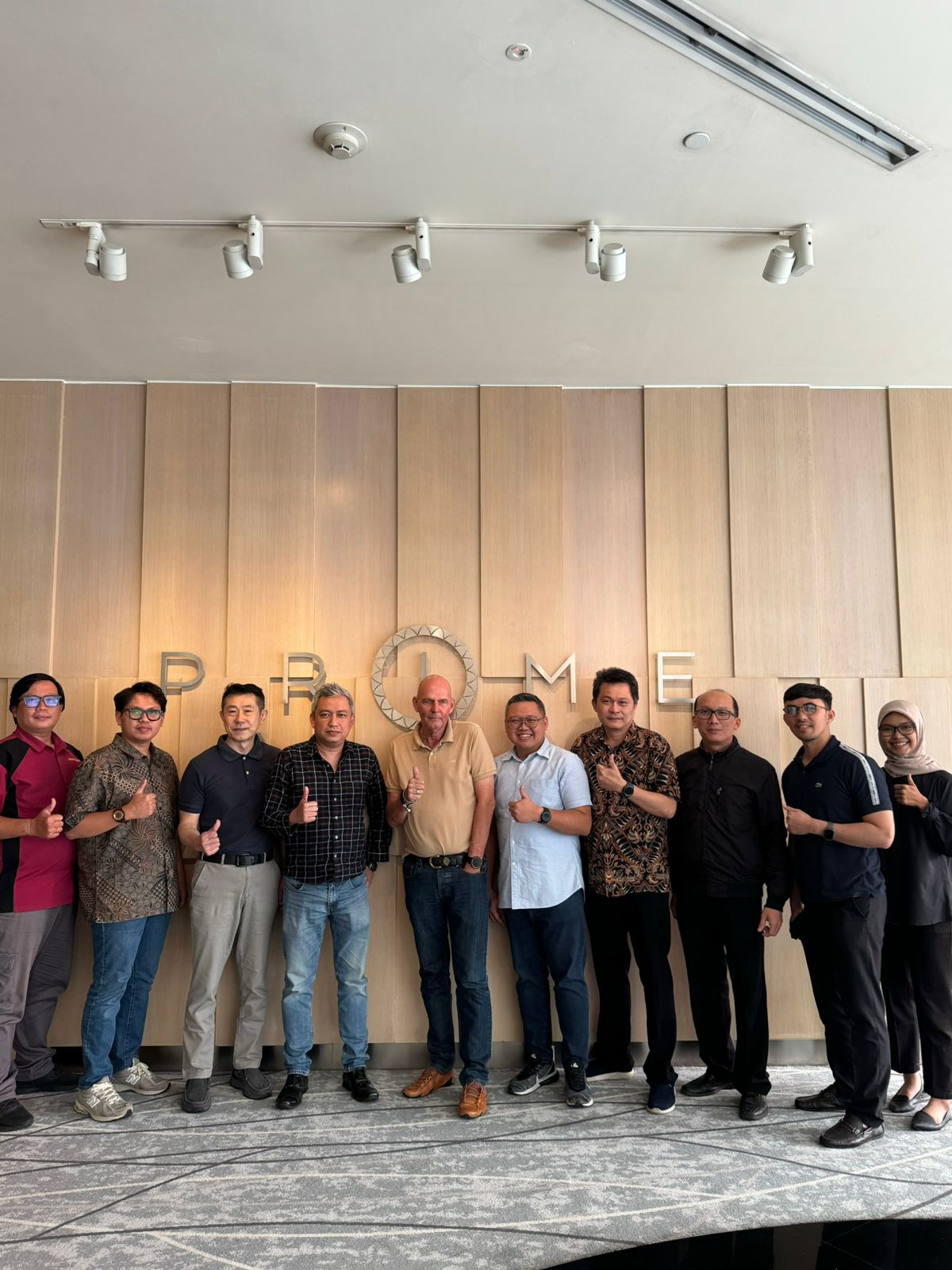
The Acumatica Marketing Workshop Indonesia took center stage on July 2nd and 3rd, 2024, at the prestigious Pullman Hotel, Jakarta. This highly anticipated event brought together a dynamic community of industry leaders, marketing experts, and Acumatica partners from across Indonesia. Featuring insightful sessions led by Thorsten and other esteemed speakers, the workshop aimed to equip attendees with innovative strategies to thrive in today's competitive business landscape.
Empowering Through Knowledge
The workshop's core revolved around equipping participants with actionable insights into modern marketing strategies. By showcasing Acumatica's advanced tools and solutions, the sessions highlighted how businesses can optimize their operations, improve efficiency, and expand their market presence. Attendees left with a deeper understanding of how to align their marketing efforts with the latest trends, making the event a valuable learning experience.
Click Here for more about Acumatica
Networking and Collaboration
A key highlight of the Acumatica Marketing Workshop Indonesia was the networking opportunities it provided. Attendees engaged in meaningful discussions, exchanged ideas, and forged strategic partnerships. These interactions strengthened the Indonesian Acumatica partner community, paving the way for future collaborations and mutual growth.
Click Here to Consult with Our Team
Conclusion
The success of the Acumatica Marketing Workshop 2024 emphasized Acumatica's commitment to empowering businesses through innovation and collaboration. Events like these not only provide knowledge but also build lasting connections that benefit the broader Acumatica ecosystem.
As Acumatica continues to lead with cutting-edge solutions, the insights gained from this workshop will undoubtedly help businesses in Indonesia stay ahead in the fast-evolving market. Stay tuned for future Acumatica events to elevate your business strategies to the next level!
Events • 8 July 2024
🎉 Event Success: Masterclass Planning & Budgeting
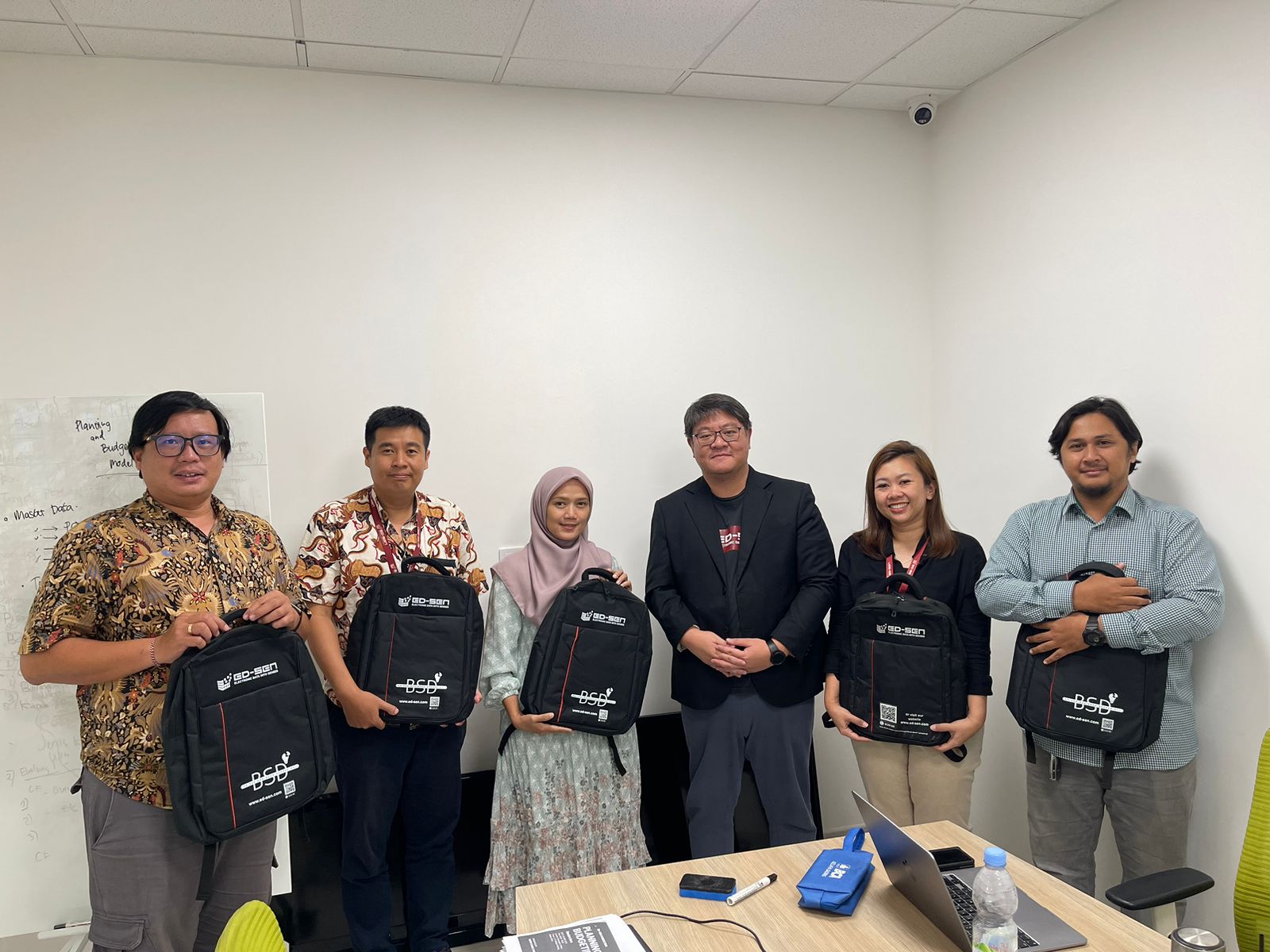
Edsen Consulting successfully held the Masterclass on Planning and Budgeting on June 28, 2024. It was a fantastic session filled with insightful discussions and practical exercises on financial management.

Blog • 7 May 2024
Real-world Integration Success Stories
From Chaos to Order: How Company X Streamlined Operations
Company X was drowning in a sea of spreadsheets and manual processes. But with the help of integration, they turned chaos into order. By connecting their CRM, ERP, and inventory management systems, they streamlined operations. Now, they can track inventory in real-time, optimize supply chain management, and provide better customer service. Integration made all the difference!
Scaling New Heights: The Journey of Company Y
Company Y started small but had big dreams. As they grew, managing multiple systems became a nightmare. That's when they turned to integration. By integrating their e-commerce platform with their accounting and shipping systems, they scaled new heights. Orders were processed faster, inventory was managed efficiently, and customers were happier than ever. Integration support paved the way for their success!
Breaking Down Silos: The Story of Company Z
Company Z was suffering from siloed data and fragmented communication. However, integration support broke down those barriers. By integrating their CRM with their marketing automation and customer service platforms, they created a unified view of their customers. Now, sales, marketing, and support teams work together seamlessly. Customer satisfaction has soared, and so has revenue. Integration support brought harmony where there was once chaos.
Learn Also about Edsen Maintenance Support
Conclusion: Integration Makes Dreams a Reality
These case studies prove one thing: integration support can transform businesses. Whether you're struggling with inefficiencies, scaling challenges, or siloed data, integration can help. So, if you want to turn your business dreams into reality, don't underestimate the power of integration support. It's the secret ingredient to success!